Singer Kim Jae-hwan (김재환), a former member of Wanna One, appeared on the SBS music program 'Inkigayo' on October 25. He was set to deliver an emotional performance with a heartfelt ballad, but during his song, repeated shouts of 'Yujin-ah!' could be heard from the audience, clearly picked up by the program's microphones. The intrusive sounds not only broke the performance's atmosphere but also startled viewers, sparking a discussion about audience etiquette at music shows.
During the October 25 'Inkigayo' broadcast, Kim Jae-hwan took the stage to perform his new song, "Perhaps It Could Be Called Love" (사랑이라 부를지도 모를 거야), showcasing his delicate vocal skills while playing the guitar. However, even before his performance began, shouts of other artists' names could be heard from the audience. More regrettably, similar shouts continued multiple times after the song had started, disrupting the performance's calm and emotional atmosphere.
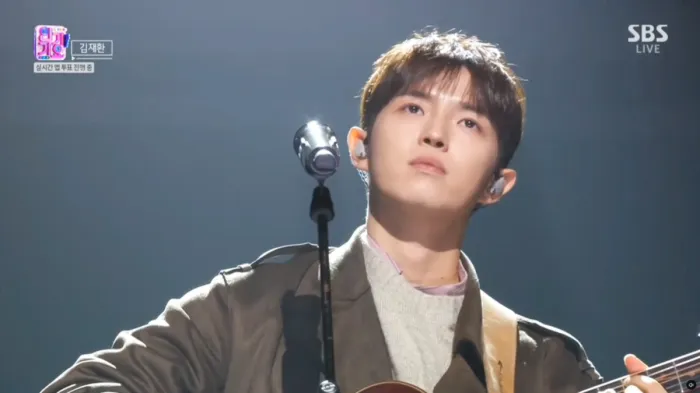
As the song was a slow-paced ballad, the shouts from the audience were particularly jarring and were clearly picked up by the broadcast's audio, reaching viewers' ears. Some audience members felt that when a singer is performing on stage, unrelated shouts from the crowd inevitably affect the enjoyment of the performance.
Why did someone suddenly shout 'Yujin-ah!'? Before Kim Jae-hwan's performance, girl group IVE had just finished their comeback interview. Therefore, it is speculated that some audience members might have been calling out to IVE leader An Yu-jin (안유진) as the camera switched and the members were preparing to leave the stage. Unexpectedly, the shouts reportedly continued into Kim Jae-hwan's performance, lasting for about 50 seconds, disrupting what should have been a performance focused on his vocals.
However, the identity and true intentions of the person who shouted have not yet been confirmed, so it is inappropriate to directly attribute it to IVE fans or to blame An Yu-jin or the entire fandom.
Despite the unexpected situation, Kim Jae-hwan maintained his professional demeanor, continuing to play the guitar and completing his performance with his characteristic delicate emotion, without interruption until the end. As for whether he heard the shouts and how he felt at the time, there is currently no further information.
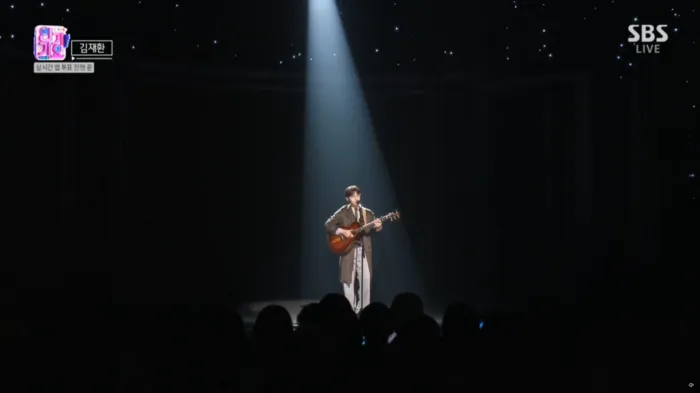
Notably, this performance was Kim Jae-hwan's final promotional stage for his comeback. "Perhaps It Could Be Called Love," which he performed that day, is a song he personally composed, with lyrics co-written with lyricist Kim Ea-na (김이나). It is the title track from his single album 'Love, From Here,' released on October 7. The song delicately portrays emotions of love and separation, requiring the audience to focus on the vocals and melody, but the repeated shouts from the audience left a regrettable mark on the performance.
In fact, there is nothing wrong with cheering for a favorite singer, and fans expressing support through fanchants or cheers is part of performance culture. However, when another singer is performing on stage, loudly calling out a specific person's name can disrupt the performer and affect other audience members' ability to concentrate on the stage.
The core of the discussion sparked by this incident is not about the identity of the person being called out, but rather how audiences should balance their cheers when different singers participate in a music program. Music shows are events where multiple artists and their fans gather, and even if one's own idol is not currently on stage, the performances of other artists should be respected.
Especially for viewers watching the program via television or online, who cannot choose or avoid live sounds, shouts from the audience can directly impact the overall viewing experience. Therefore, while expressing enthusiasm, fans also need to be mindful of the current performance situation to avoid affecting others due to momentary excitement.
Furthermore, given the tight schedule of artist interviews, movements, and performances in music programs, how on-site staff manage artist flow and audience cheering also warrants further attention. Instead of rushing to guess the identity or motive of the person shouting, it is more productive to use this incident to consider how to maintain a good viewing environment, ensuring every singer on stage receives due respect.
Liking a singer involves not just loudly expressing support, but also respecting the stages of others. When fans can find a balance between enthusiastic cheering and considering the feelings of others, both singers and audiences can enjoy a better performance experience.