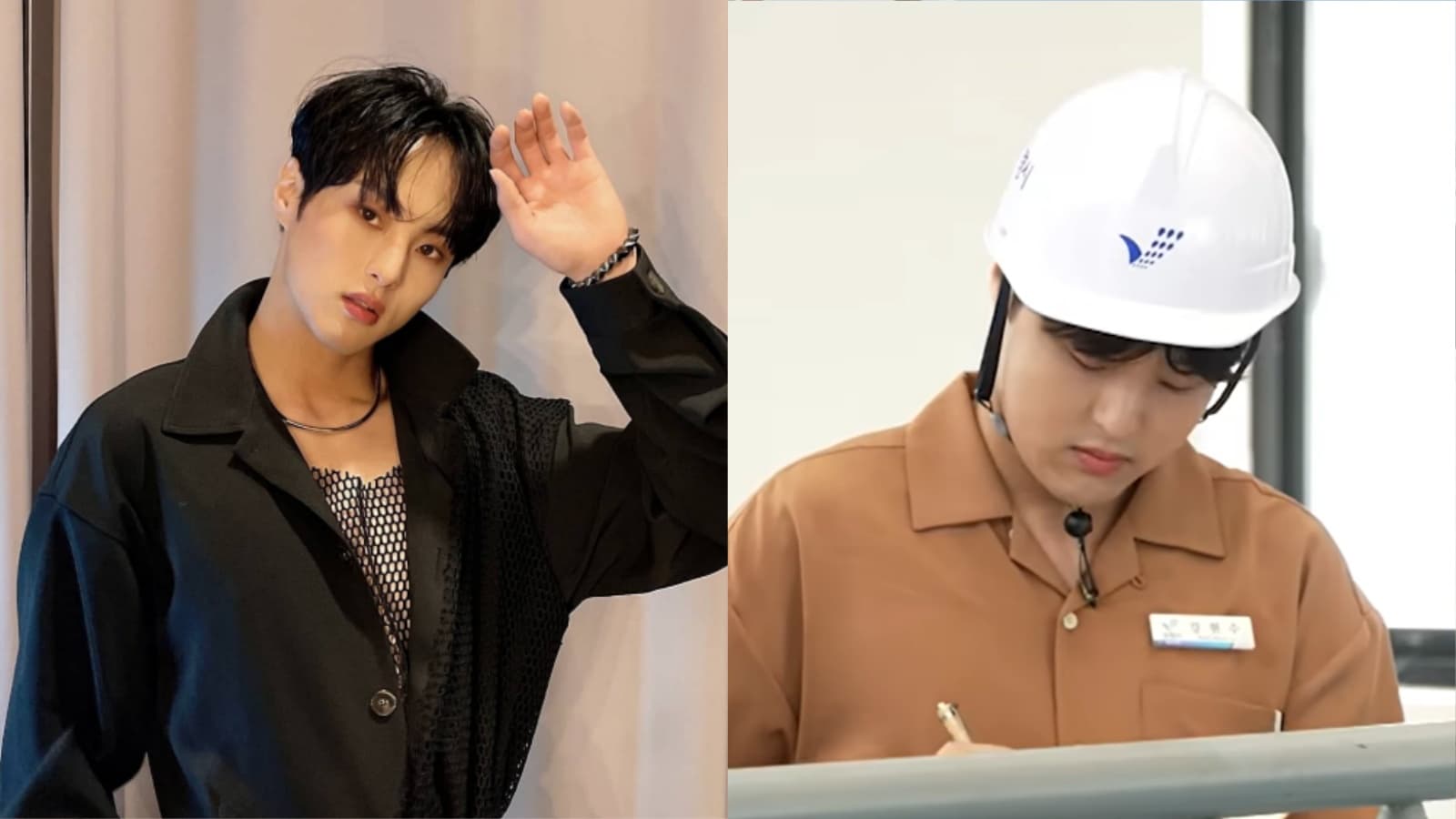
Lee Dae-hwi (이대휘), a member of Wanna One and AB6IX, recently appeared on a broadcast to discuss the evolving backstage culture within the idol industry. He candidly admitted that many junior artists no longer approach senior artists' waiting rooms to greet them, unlike in the past. This led him to lament, "I actually really want to get to know my juniors better."
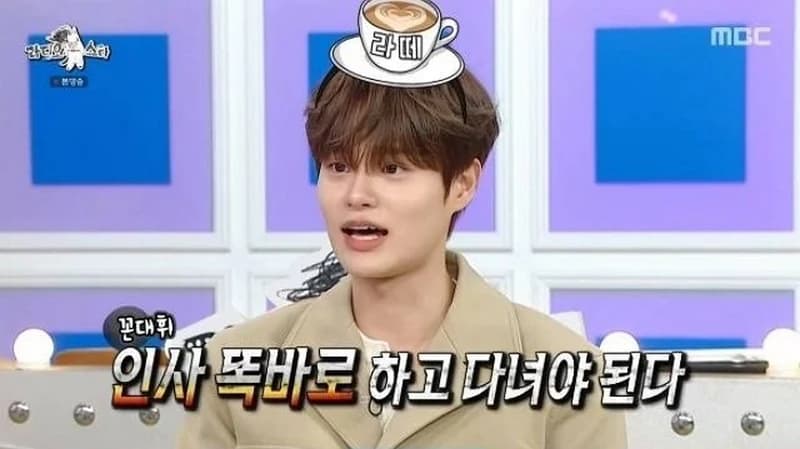
During the 963rd episode of MBC's variety show 'Radio Star,' which aired on April 29, Lee Dae-hwi shared the importance of "attitude" and "gratitude" he learned from his older Wanna One members during his time with the group. He also directly stated that the atmosphere in the music industry today is indeed different compared to the past.
Lee Dae-hwi recalled that he was only 17 when he debuted, and his schedule was so packed he barely had time to breathe, sometimes sleeping only seven hours a week while continuing activities. During a music show pre-recording, in an extremely fatigued state, he once blurted out, "I hope this is the last recording," due to the diligent preparations by staff and fans and the repetitive nature of the process.
Unexpectedly, when his Wanna One hyungs (older brothers) heard this, they immediately called him over to remind him, saying, "This is actually something to be very grateful for; you need to learn to be thankful." These words left a deep impression on Lee Dae-hwi and have remained a reminder he has kept in mind throughout his years in the industry.
Lee Dae-hwi emphasized that he isn't trying to act like a senior or be seen as an "old-fashioned" person. Instead, because he was taught this by his seniors, he now passes the same concept on to his juniors. He admitted that he often says, "You must greet properly when you go out for activities," because, in his view, it is the most basic attitude for an artist.
However, when discussing the current backstage culture in the idol world, Lee Dae-hwi could not hide his disappointment. He stated, "I actually really want to get to know my juniors better, but almost no one comes to my waiting room now."
He mentioned that in the past, during music show promotions, idols would take their albums to each other's waiting rooms to greet one another, exchange CDs, and build relationships. Now, however, the situation has reversed, with him proactively taking his album to find juniors and having to initiate by saying, "Let's get along well in the future." He confessed, "It actually makes me a little sad."
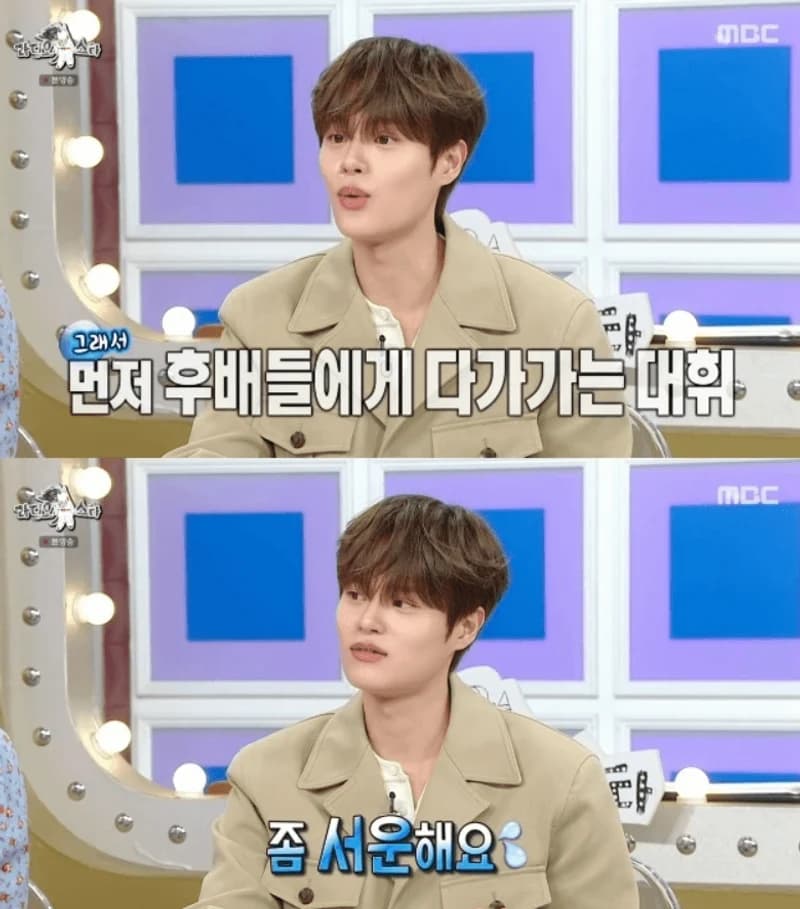
Lee Dae-hwi's remarks resonated deeply with the other guests on the show. He explained that he had been active under high-pressure schedules since his teens, but it was precisely because his seniors had reminded him back then that he never forgot to maintain his initial resolve, no matter how difficult things became. After hearing this, host Kim Gu-ra (김구라) commented that it was a "good tradition," considering it very positive that Lee Dae-hwi was passing on the attitude taught to him by his seniors to his juniors.
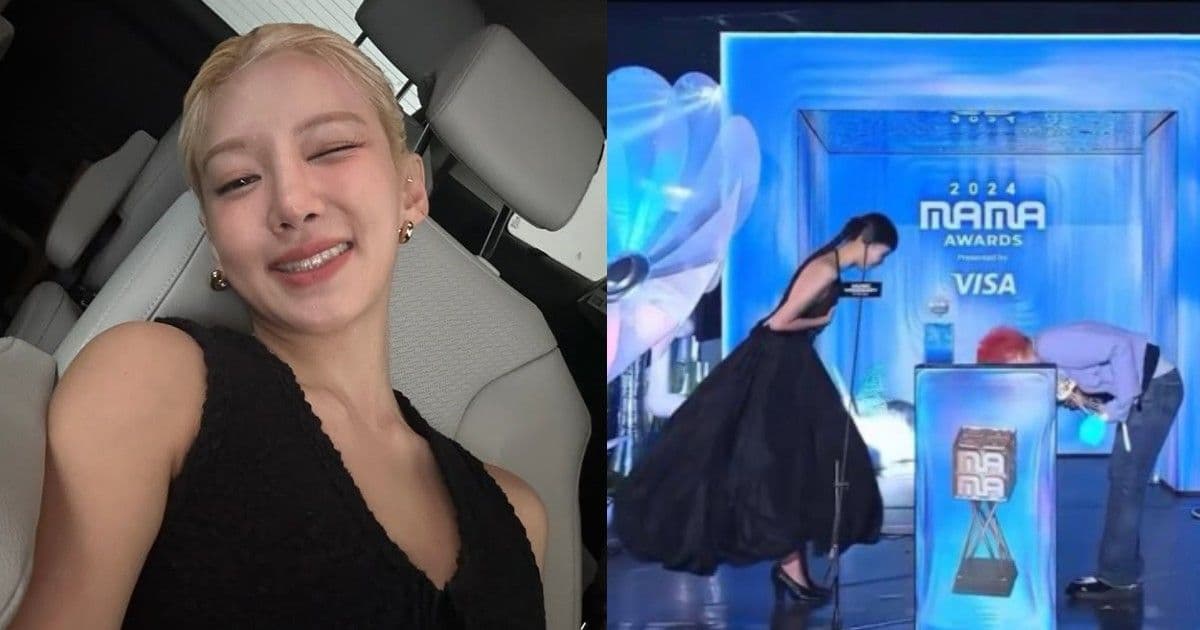
In fact, discussions about "junior etiquette" have been ongoing in the Korean entertainment industry in recent years. At the 2024 MAMA Awards held at the Osaka Dome in Japan, G-Dragon (권지용) received the "Music Visionary Of The Year" award. When he went on stage to accept the award, he performed a deep 90-degree bow to presenter Jung Ho-yeon (정호연), and his humble and polite demeanor immediately sparked heated discussions among netizens.
Many people once again brought up the etiquette culture of second-generation idol groups. In the past, many second-generation idols frequently showed respect to seniors, staff, and fans with 90-degree bows in public, a sight that many fans considered one of the important hallmarks of second-generation idols.
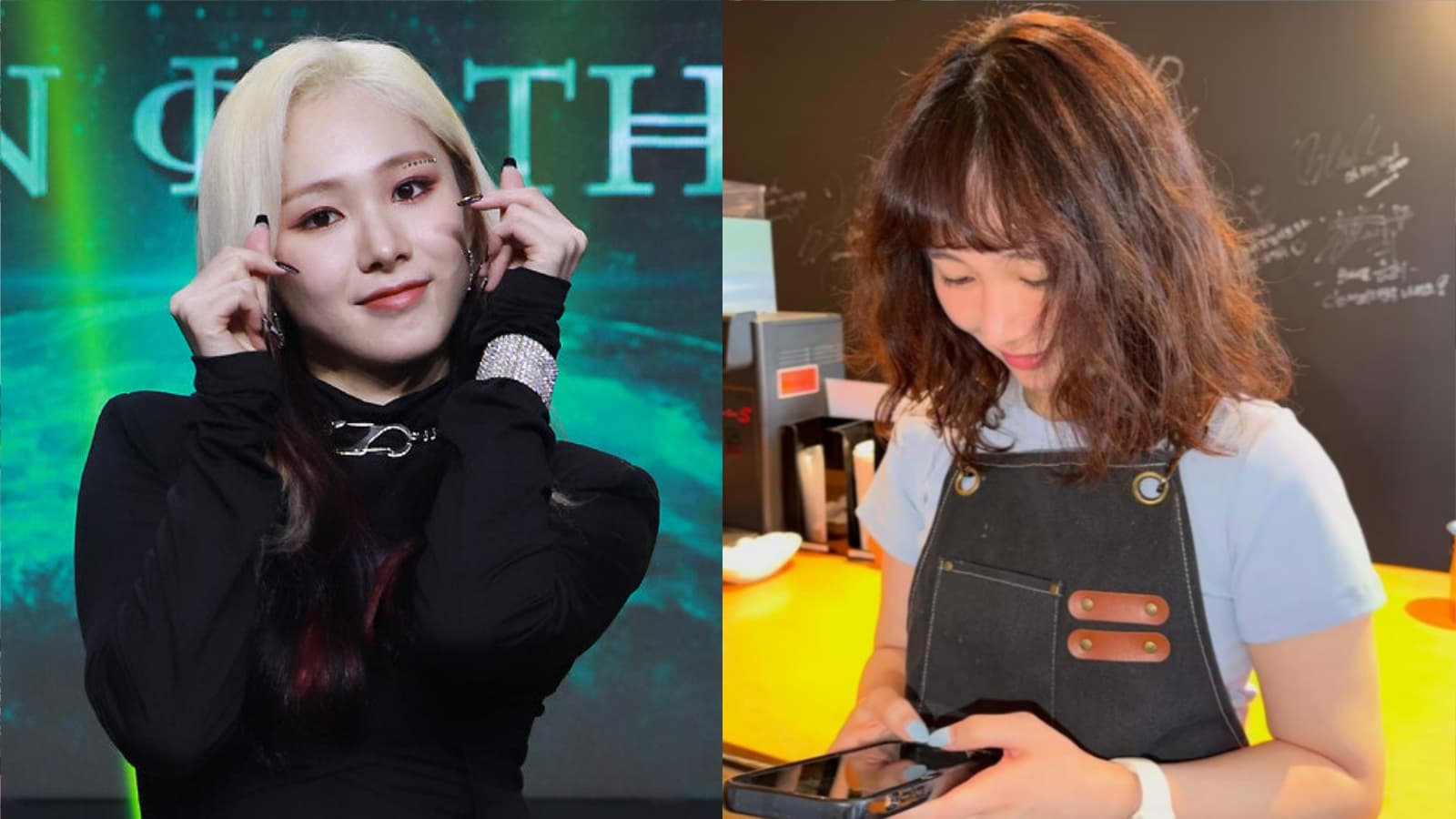
Hyoyeon (김효연), a member of Girls' Generation (소녀시대) and also a representative of second-generation girl groups, previously discussed a similar topic on a show. She admitted that she does feel some regret about certain junior singers today who are not very proactive in greeting others.
Hyoyeon recalled that when she was a trainee, she would always give a 90-degree bow even to staff members who delivered meals. She would also bow her head to express gratitude when opening doors, maintaining a sense of appreciation for everyone she met daily. She even mentioned that back then, she would clean her used dishes so thoroughly, almost as if they had been washed, before returning them.
Speaking about today's juniors, Hyoyeon confessed, "Junior artists at broadcast stations rarely proactively greet now; they often just pass by without even making eye contact." She clarified that she doesn't specifically expect everyone to greet her, but at least when encountering someone in the hallway, basic eye contact as a greeting should still be present.
Hyoyeon also believes that greeting is not just superficial politeness but the first step in building relationships with colleagues. She hopes to continue conveying the importance of greeting etiquette to junior artists through her influence.
Now, with Lee Dae-hwi once again discussing changes in idol waiting room culture on a show, the topic of "whether juniors should proactively greet" has resurfaced for discussion. Some argue that times have changed, and the ways idols interact will naturally evolve. However, many netizens firmly state that regardless of generational shifts, basic manners should not be omitted.