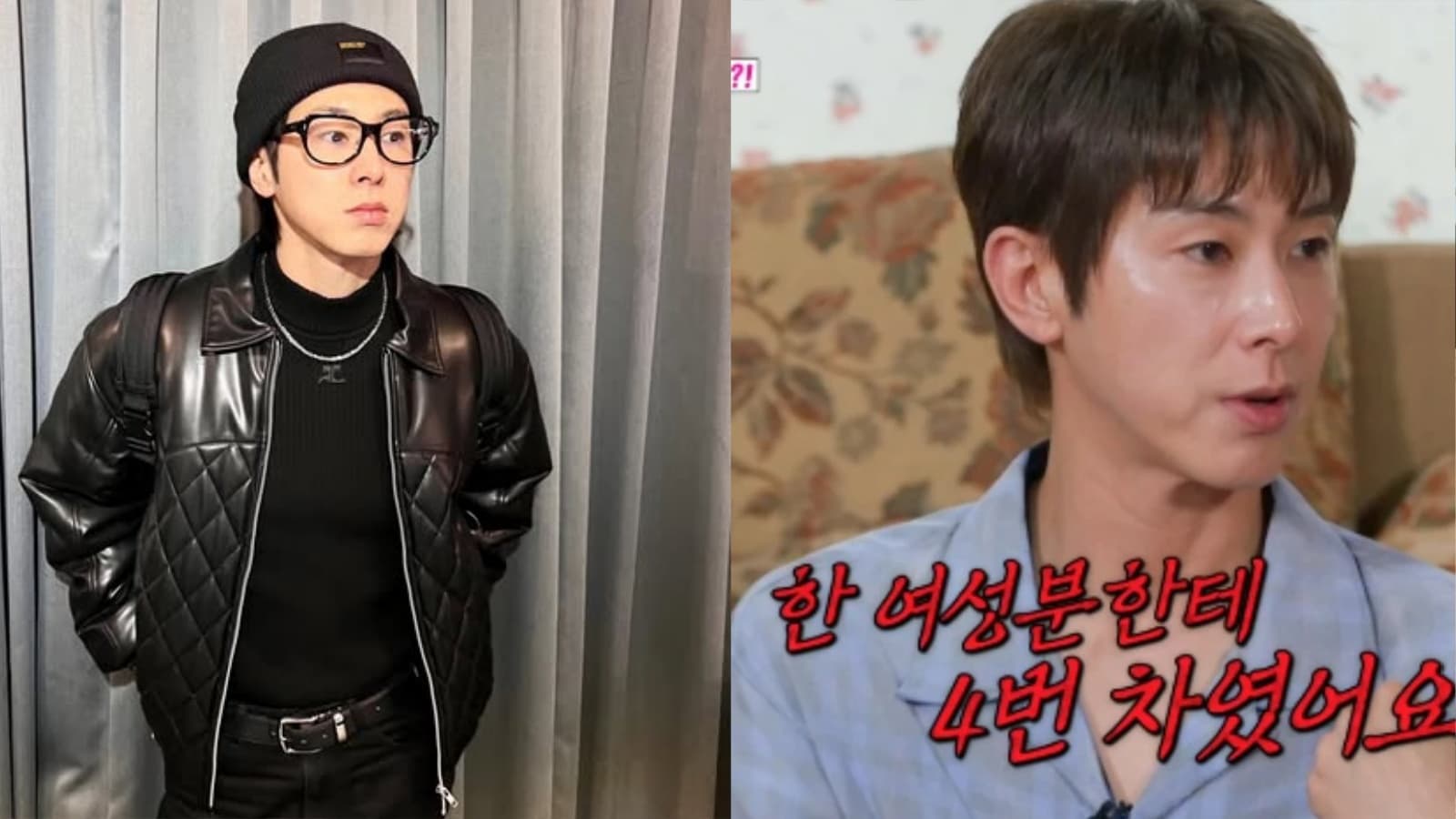
Jung Yun-ho (정윤호) of popular South Korean boy group TVXQ (동방신기) has recently become embroiled in controversy. After a two-month hiatus, his return to a paid fan chat platform was initially met with eager anticipation. However, some fans expressed dissatisfaction over his prolonged absence, arguing that a paid service should guarantee a certain level of interaction. In response to the complaints, Jung not only addressed them directly but also singled out a specific fan, stating, "Please don't provoke unnecessarily" and "Those who lack respect, please leave." This exchange escalated what began as a simple issue of interaction, sparking widespread online debate.
Jung reportedly logged into the paid fan communication platform recently, marking approximately two months since his last appearance. While some fans were delighted to receive his messages, others expressed disappointment over his long period of inactivity and infrequent interaction. As these platforms require a paid subscription, some fans believe that their financial support should be met with regular appearances and updates from the artist.
Addressing the fan feedback, Jung directly replied to one fan's account, stating, "It's okay if you don't understand. I've come here as much as I possibly can, and I'm sorry if I couldn't meet your expectations, but this is the best I can do. Please don't provoke unnecessarily." While seemingly intended to explain his position, his direct naming of the fan and the use of the phrase "don't provoke" led to even more discussion.
One fan expressed disappointment, suggesting that if Jung had appeared at least once a month, such dissatisfaction might not have accumulated. The fan stated that they understood individual personalities differ and that some are not adept at communicating through text, but that paid chat platforms are inherently part of idol-fan interaction. Even a monthly appearance, they argued, would be better than prolonged silence.
The fan also pointed out that Jung's last appearance was in early May, and his recent login came after a significant interval, which prompted the fan feedback. What made it even harder for some fans to accept was Jung's direct naming of a fan account and his response to the complaint, which they found startling.
The fan further elaborated that while everyone knows artists are busy, responding to fans with busyness as an excuse, or even asking them not to provoke, is bound to cause disappointment. The fan bluntly stated, "If it's difficult to use this kind of chat app, then just don't come, and fans will simply cancel their subscriptions." They felt that the artist's attitude when facing fan dissatisfaction was more concerning than the frequency of interaction itself.
However, Jung did not stop there, responding directly again: "Don't say that." He then added, "It's fine if those who speak provocatively don't come." He appeared unwilling to fully accept the criticism from fans and clearly expressed his stance on communication methods.
Jung then emphasized, "I respect that you might feel hurt, but expressing opinions like this does not show mutual respect. Those who lack respect, please leave. I hope everyone can cooperate in the future." From his responses, it seems Jung acknowledged that fans might feel disappointed due to the long wait but also believed that some fans' way of expressing dissatisfaction was inappropriate, thus choosing to draw a clear line.
This controversy, which initially revolved around the frequency of interaction on a paid fan platform, continued to escalate due to the public back-and-forth between the artist and fans. One side argued that after paying for a subscription, a certain level of communication should be expected; the other believed that artists have their own work schedules, and fans should maintain basic respect when expressing dissatisfaction.
Due to the potential discrepancy between fan expectations for paid services and artists' perceptions of interaction frequency, this incident has once again sparked discussion about the content of paid fan platform services and the boundaries between idols and fans. Whether both sides can reach a consensus on expectations for interaction frequency and communication methods remains to be seen.