For many artists, one of the most terrifying nightmares is encountering sasaengs. These obsessive fans completely disregard boundaries, not only closely monitoring idols' schedules but also appearing in places they shouldn't be, such as hotels, airports, and around dormitories. This often leaves the public wondering how they manage to do it.
Recently, a fan posted on a K-pop-related Reddit forum, claiming to have briefly interacted with a fan group connected to ENHYPEN (엔하이픈) member Jay (박종성). The post exposed the inner workings of the sasaeng community, immediately sparking heated discussion and leaving many netizens horrified.
According to the poster, after moving to China, she was initially just a regular K-pop fan. However, her closer proximity to relevant event locations led her to delve into a more core layer of the fan community. She stated that after meeting another fan, she was added to a chat group related to ENHYPEN’s Jay, which gave her a first-hand look at what she called an “advanced” fan ecosystem.
She described the group as functioning like a company, with clear divisions of labor and a hierarchical structure. Approximately four to five core members were responsible for leading the overall operations. What shocked her most was that the group regularly pooled money to purchase various pieces of idol information, including sensitive details like flight itineraries, hotel accommodation locations, and both public and non-public schedules.
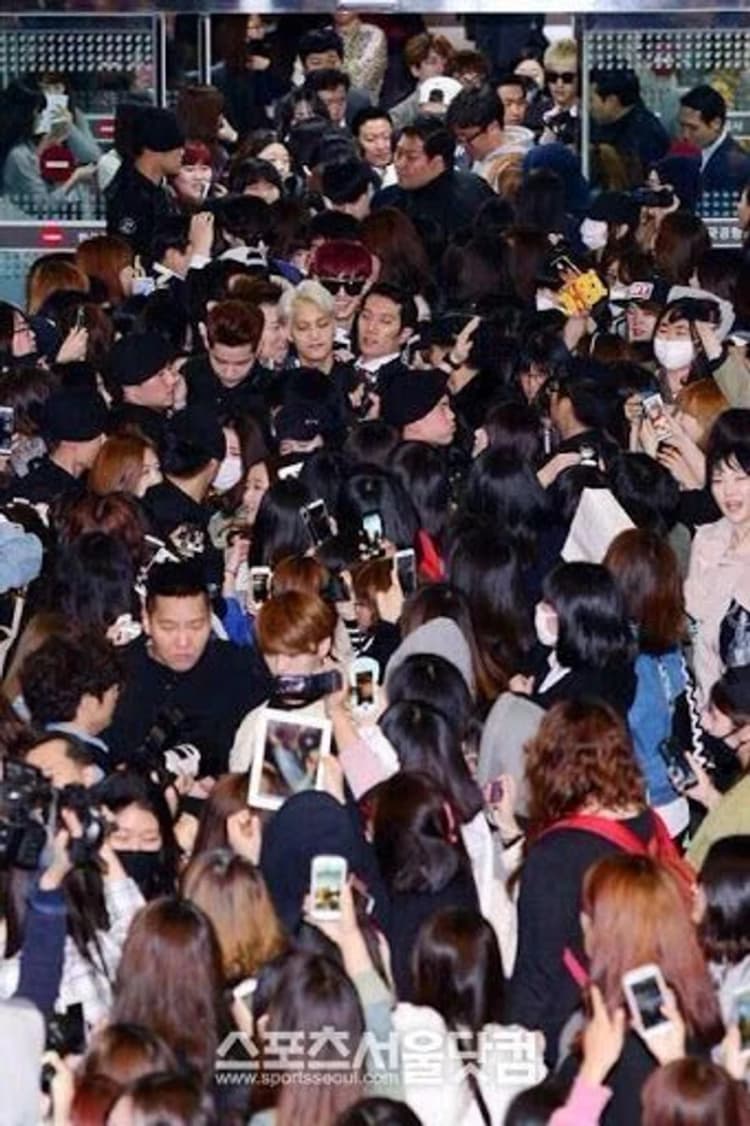
Not only that, but the group would even raise money to send core members to “stake out” locations, meaning they would spend long hours waiting near dorms, outside hotels, and at airports, all to get closer to and monitor the idol's movements. The original poster stated that this entire operational model was no longer typical fan behavior but a highly organized, astonishingly efficient tracking system.
She further revealed that these types of groups have branches in almost every major city, and their leaders communicate through higher-level groups. Once ENHYPEN announced a comeback, internal task assignments would immediately begin. Each leader had to meet a certain album purchase quota, and members' “value” within the group was determined by how many albums they bought.
Even more shockingly, after purchasing a sufficient number of albums through the group, a member's account might be used to collectively boost the chances of winning a fansign lottery. Additionally, the group would bulk-buy tickets and then resell them at inflated prices to the highest bidders within the group. This entire operation was no longer just about securing tickets but systematically monopolizing resources.
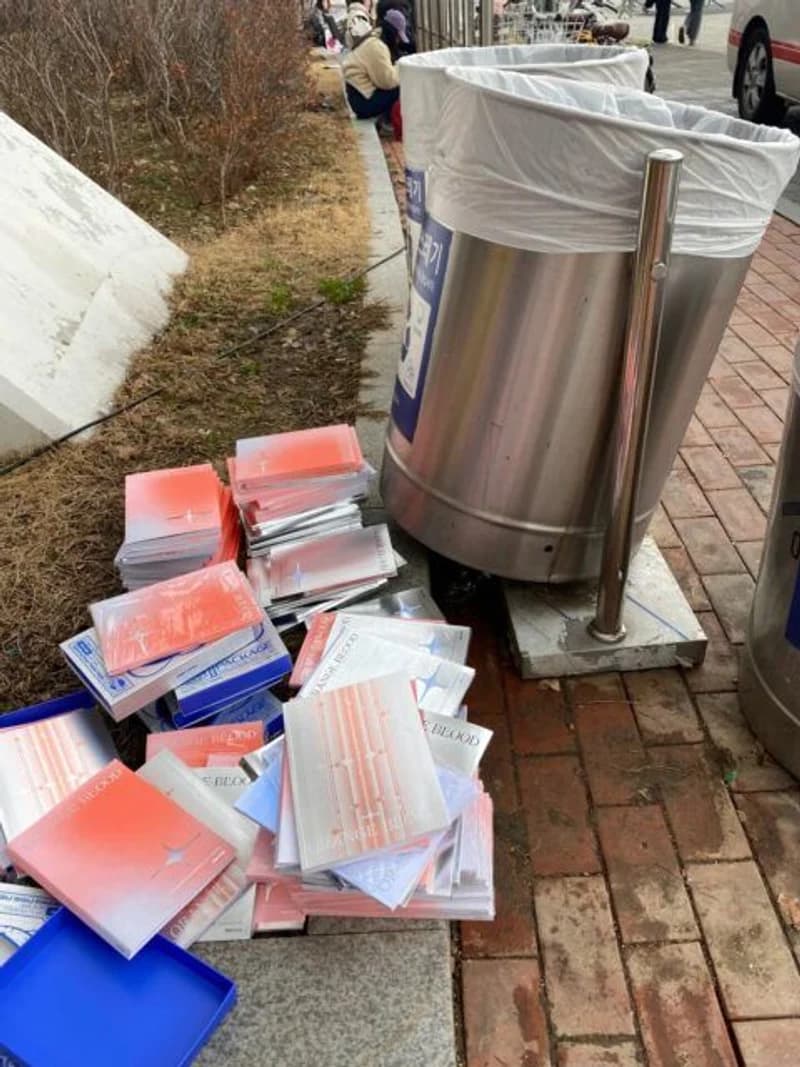
The poster found the most shocking aspect of her experience to be how these individuals “dehumanized” the idol. She stated that in the eyes of these groups, Jay was not a real person with emotions, pain, or fear, but merely an “idol product” or “exploitable resource.” Once a person's humanity is completely stripped away, these insane behaviors become “rationalized.”
Although she was eventually removed from the group, she left with these horrifying insights. The post quickly went viral online, with many netizens expressing their shock and unease.
Some commented that Jay has always been one of the members who frequently shares his inner feelings, dreams, pain, and fears with fans through live streams, Weverse, concerts, and letters. This made it even more incomprehensible why some people would ignore his feelings and treat him as a target to be pursued rather than a real person.
Other netizens directly stated, “Once humanity is removed, all boundaries disappear,” and “Treating an idol as a human is complicated, but treating an idol as a resource makes everything abnormally efficient.” Many more lamented that the most chilling aspect was not just the intricacy of the entire system, but how such behavior seemed to have been silently normalized within the industry, even existing as if it were routine.
Numerous fans expressed disgust after reading the post, believing that the terrifying part was not just that this happened to their favorite idol, but that almost every idol in the entire industry might be experiencing the same thing. For them, this was not just overstepping boundaries, but a pathological, insane, malicious, and sickening invasion of privacy.


