As we look ahead to Fall 2026, the K-Beauty and K-Fashion markets are buzzing with a fascinating mix of trends. From high-end luxury collections to incredibly budget-friendly finds and even celebrity styling controversies, there's a lot happening. A major force driving this dynamic shift is the entry of fashion platforms into the beauty sector, effectively blurring the lines between these two industries.
The fashion industry is actively diving into the beauty business, seeking new avenues for growth. Leading the charge are major fashion platforms like MUSINSA (무신사) and ABLY (에이블리). This move reflects a growing consumer trend: people are looking for beauty and fashion items that not only serve their purpose but also align with their lifestyle and values. Interestingly, while fashion companies are eagerly entering the beauty space, beauty companies aren't showing the same level of interest in fashion, according to a report by Maeil Business Newspaper (매일경제).
Rediscovering Budget Beauty Gems: Daiso Makeup Brushes
Alongside high-end brands, reasonably priced beauty items are also capturing significant attention. Daiso (다이소) makeup brushes, in particular, recently became a hot topic, with their top three products being hailed as 'masterpieces' in the Vietnamese Facebook community 'theqoo'. This highlights the 'smart consumer' trend, where value for money (가성비, *gaseongbi*) is highly prioritized. As demand grows for affordable, high-quality alternatives to expensive luxury brushes, beauty products from accessible brands like Daiso, a popular Korean discount store chain, are once again in the spotlight.
Fashion Platforms Drive Beauty Market Expansion
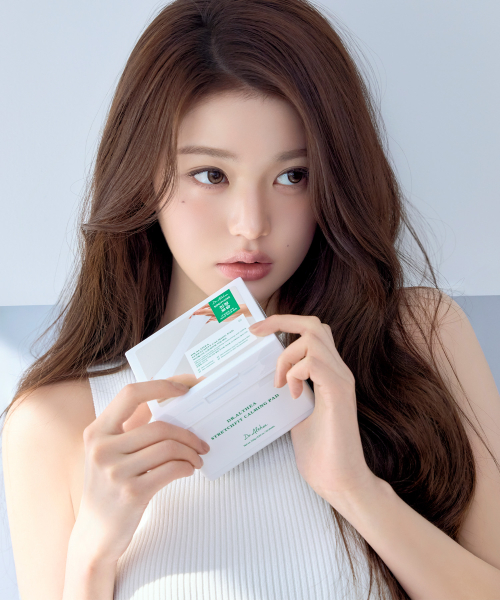
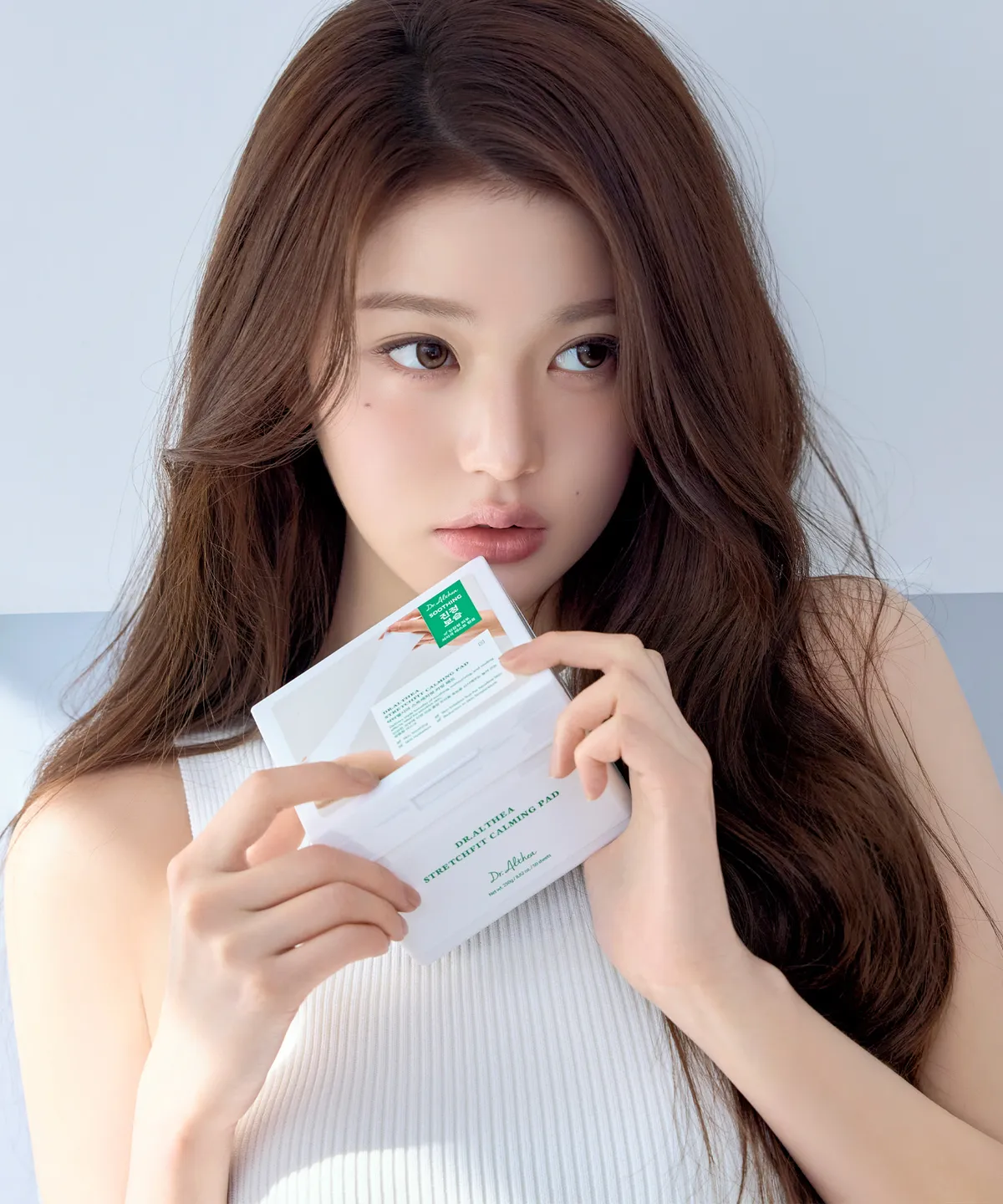
On MUSINSA (무신사) Beauty, a specialized fashion platform, the 'Irecipe Hyaluronic Cooling Soothing Gel Aqua Phytoplex Cream in Gel 100ml' has maintained its sales, ranking 32nd. MUSINSA is aggressively expanding its beauty category with marketing tactics like a 100 won (Korean won) benefit for first-time beauty purchases. This strategy aims to provide consumers with the convenience of one-stop shopping, as fashion platforms broaden their offerings beyond apparel to include skincare, makeup, and other beauty products.
무신사 뷰티 랭킹 32
The Dual Nature of Celebrity Styling: Jang Won-young and EJ Johnson
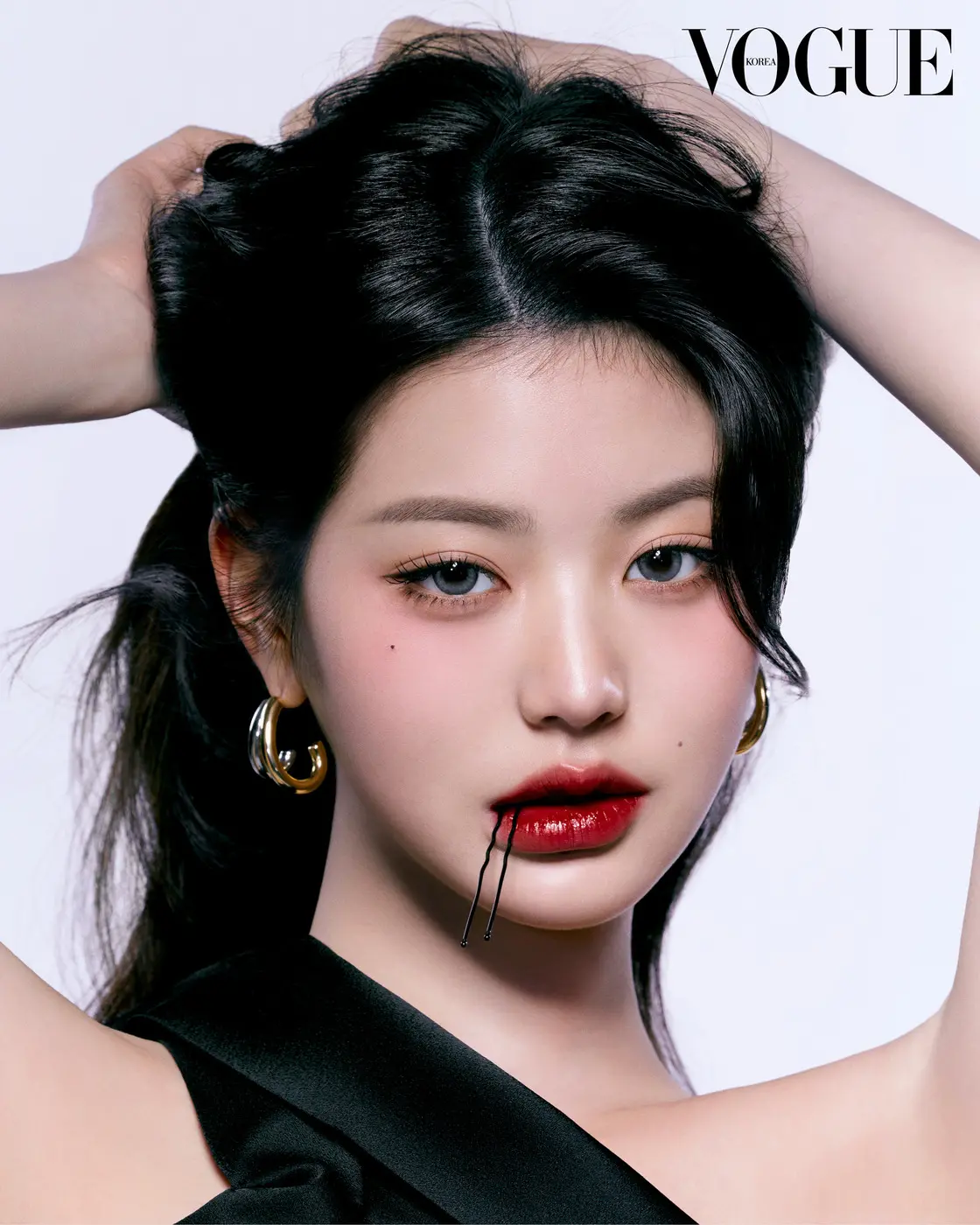
While celebrity style is a powerful trend-setter, it's also constantly under the public's strict scrutiny. Jang Won-young (장원영) of the K-pop group IVE (아이브), often called a 'Barbie doll,' recently faced controversy. Her photo proportions were rumored to differ from reality, a situation some dubbed 'Getty's Curse.' A Naver (네이버) report highlighted the public's intense interest in Jang Won-young's '8-head body ratio' (8등신 비율, *paldeungsin bi-yul* — a Korean term for ideal body proportions where the head fits into the body eight times) and the significant influence of media. Meanwhile, EJ Johnson, son of NBA legend Magic Johnson, captured attention with a daring all-black look at the Dior show during Paris Fashion Week on September 29. His unconventional style showcases a growing trend in the fashion world that values diversity and individuality. Later, on October 5, EJ Johnson made headlines again, being mentioned in 'drama' involving Rihanna. This demonstrates how celebrity fashion transcends mere clothing to function as 'content' in itself.
https://m.entertain.naver.com/article/144/0001143474, https://www.tiktok.com/@miraquetevi/video/7691011276788534559, https://www.tiktok.com/@vanessastyle0/video/7693209828671360269The Future of K-Beauty & Fashion: Skintellectuals and Integrated Experiences
These trends reveal a dual nature of the beauty and fashion markets: they are becoming more fragmented yet simultaneously more interconnected. According to a Naver In (네이버 인) report, one of the key beauty trends for October 2026 is the rise of the 'Skintellectual' — a consumer who is highly knowledgeable and discerning about skincare ingredients and routines. Alongside this, consumers are also showing immense enthusiasm for unique styling that allows them to express their individuality.
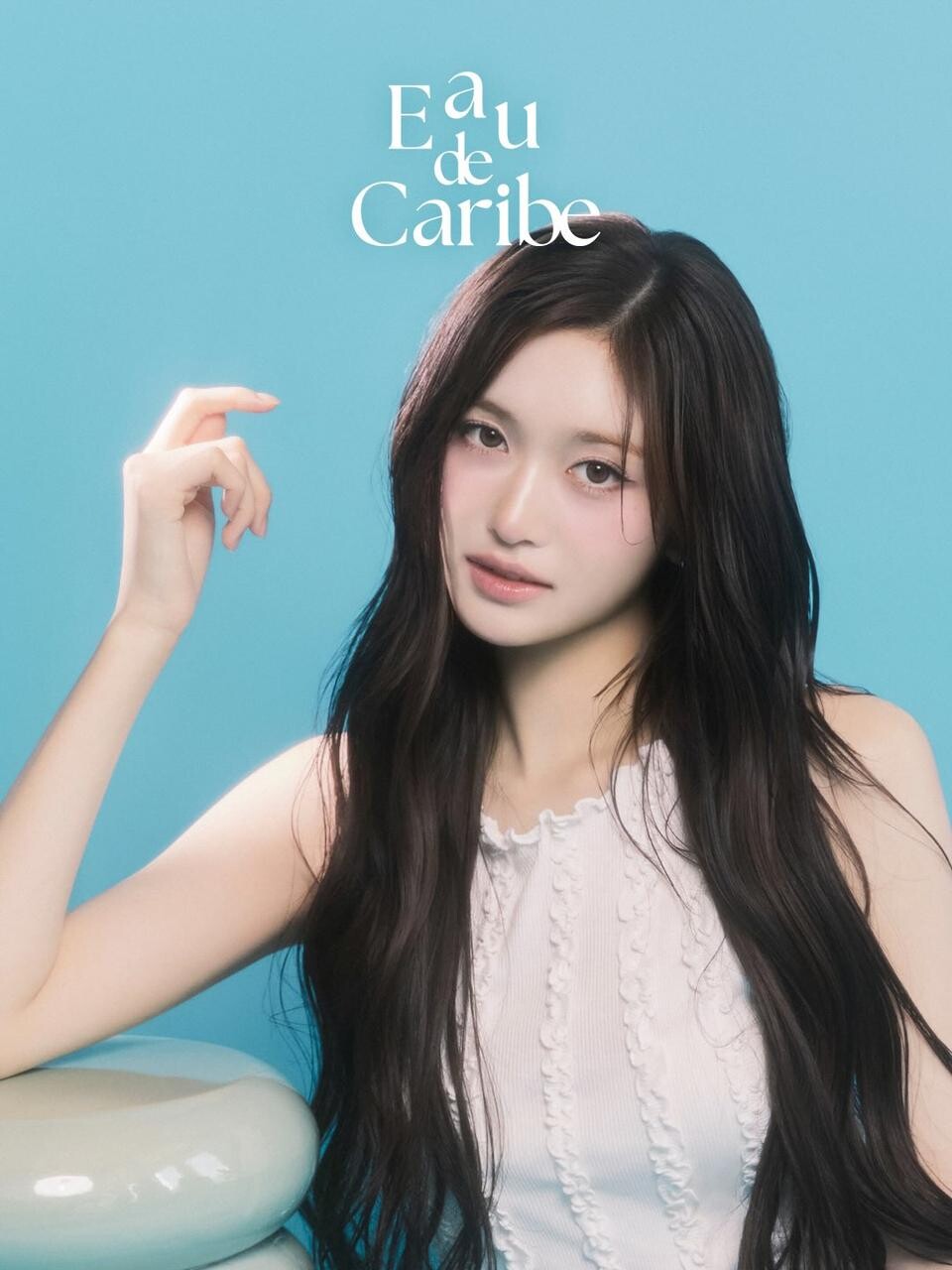
In the latter half of 2026, the K-Beauty and K-Fashion markets are evolving to encompass a wide range of elements, from luxury and cost-effectiveness to celebrity styling, all reflecting consumer values and lifestyles. These dynamic shifts in the market are significant trends that warrant continuous observation.