K-Beauty brands are making a significant push into the mainstream U.S. market, expanding beyond specialized beauty retailers like Sephora and Ulta to major retail channels such as Target. This move demonstrates that K-Beauty is no longer just a passing trend but has firmly established itself as a core innovative force within the American beauty industry. (Reported by Modern Retail)
In the past, K-Beauty made its initial splash in the U.S. market with innovative formulations and trendy products like sheet masks, essences, and the famous 10-step routine. However, the strategy has recently shifted beyond mere trends, now emphasizing the intrinsic value and efficacy of products to focus on mainstream market penetration. Vera Oh (베라 오), Co-founder and CEO of Voesh, noted, “It's less about a specific product and more about a mindset of good ingredients, real efficacy, and a better daily routine.” (Reported by Modern Retail)
K-Beauty's Expansion into Major Retail Channel, Target
Earlier this year, major U.S. retailer Target more than quadrupled its K-Beauty product offerings, introducing over 150 new products and more than 10 new brands across skincare, makeup, and haircare categories. This month, Target launched its 'Target Beauty Studio,' which replaces the former Ulta Beauty at Target sections and showcases over 1,600 products from 90 brands. Among these are six K-Beauty brands: Amuse (아뮤즈), Kaja (카자), Rom&nd (롬앤), Dr. Melaxin (닥터멜락신), Purito Seoul (푸리토 서울), and Sungboon Editor (성분 에디터), with five of these making their debut at Target. (Reported by Modern Retail)
Target is actively bringing in K-Beauty brands to provide customers with “high-quality products at accessible prices.” Kim Jinwoo (김진우), U.S. Regional Leader for Dr. Melaxin, stated, “Many K-Beauty brands entering major retail channels proves that Korean cosmetics are actively leading the global beauty market.” Furthermore, Daniella Jung (다니엘라 정), Founder and CEO of Muskat Beauty, anticipates that this will encourage K-Beauty brands to consider a wider U.S. retail market, including CVS, Walmart, and national grocery chains, beyond just Sephora and Ulta. (Reported by Modern Retail)
https://www.modernretail.co/operations/target-gets-k-beauty-brands-to-think-beyond-sephora-ulta-with-new-beauty-studio/K-Beauty's Edge: Skin Science and Innovative Packaging
K-Beauty brands in the U.S. market are showcasing an evolution, moving beyond a simple 'speed race' to highlight efficacy based on 'skin science' and unique 'innovative packaging' designs as core competitive strengths. (Reported by Daum) At 'MakeUp in New York,' a specialized cosmetics exhibition, a Korean company even won the top award for developing innovative dropper packaging that allows users to utilize every last drop of product. Winnie Cohen (위니 코언), owner of a U.S. skincare shop, remarked, “K-Beauty is attractive because it allows you to buy excellent products with high-efficacy, active ingredients at affordable prices.” (Reported by YTN)
Notably, Korean sun protection, moisturizing, and cleansing practices are becoming trends in the U.S. market, leading to a positive reception for 'low-irritation K-Beauty.' Choi Seonyoung (최선영), CEO of CTK, explained, “U.S. consumers are now starting to prefer makeup that feels like ‘naturally good skin,’ rather than something that’s heavy on the skin or provides full coverage.” Furthermore, K-Beauty brands are seeking differentiation through technological innovation, such as entering the finished product market based on ceramide (세라마이드) raw material technology to strengthen the skin barrier, or even integrating stationery manufacturing technology into cosmetics. (Reported by YTN)
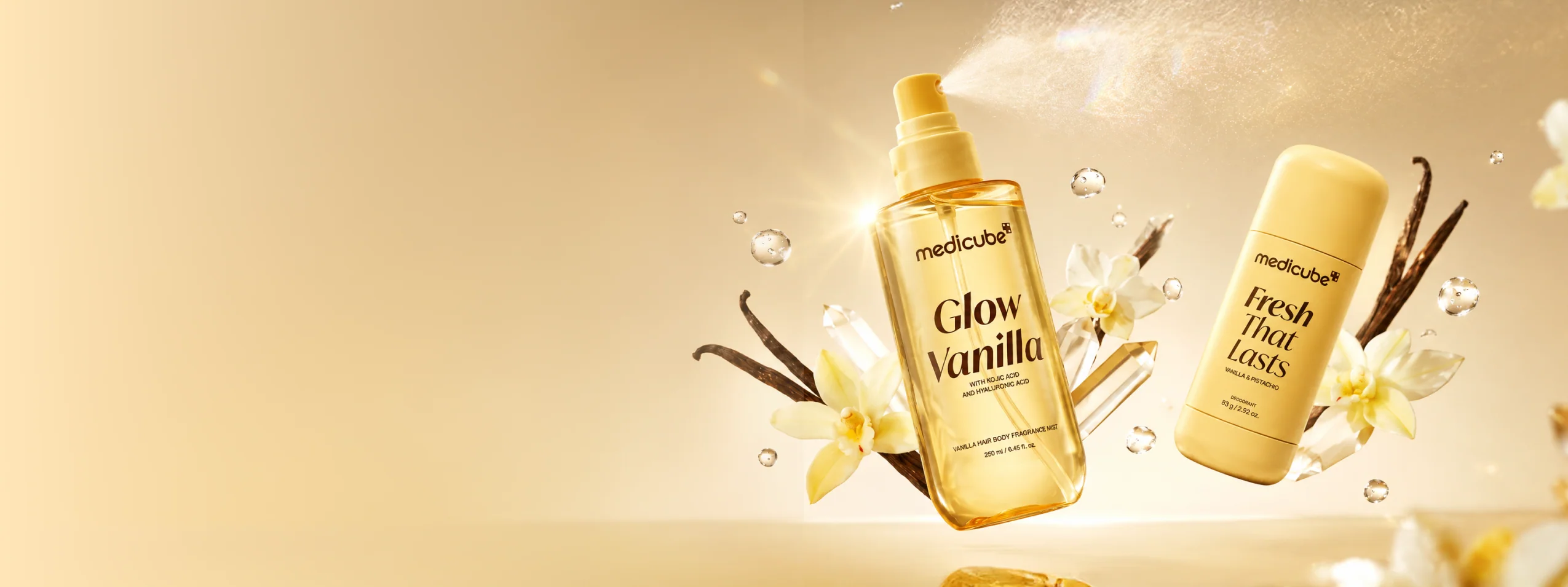
https://v.daum.net/v/0IYHMgRfW6?f=pAmidst these shifts, 'Beauty of Joseon' (뷰티 오브 조선) has gained significant popularity through word-of-mouth on TikTok, with Marie Claire calling it “a TikTok viral brand that's worth the hype.” (Reported by Marie Claire) 'Medicube' (메디큐브) is also strengthening its foothold in the U.S. market by introducing new products such as 'Glow Vanilla Mist' and 'Fresh That Lasts Deodorant.' (Reported by Kiokii & Co.)
Dino Ha (하디노), Founder and CEO of Memebox's (메모박스) Kaja (카자) brand, stated, “We saw an opportunity to introduce more consumers to the creativity, innovation, and effectiveness of Korean beauty through retailers they already know and trust,” emphasizing that K-Beauty is no longer a niche market but an essential part of the mainstream beauty conversation. (Reported by Modern Retail)
https://www.marieclaire.com/beauty/skincare/best-beauty-of-joseon-products/, https://kiokii.com/en-us?srsltid=AU7gw4W67mwfDeETDqvKNH-rUndzBkzmyRIK5ABVhp2hC5PSfWdnNk4LK-Beauty is now building an even stronger foothold in the U.S. market, moving beyond a simple trend to focus on two key pillars: “skin science” and “innovative packaging.” Vera Oh (베라 오) of Voesh revealed that retailers no longer perceive K-Beauty as just a trend but as a source of innovation across skincare, makeup, and hair products. This strategy, which enhances accessibility through partnerships with major retail channels and competes on essential product quality and innovation, holds the potential to reshape the landscape of the U.S. beauty market. (Reported by Modern Retail)