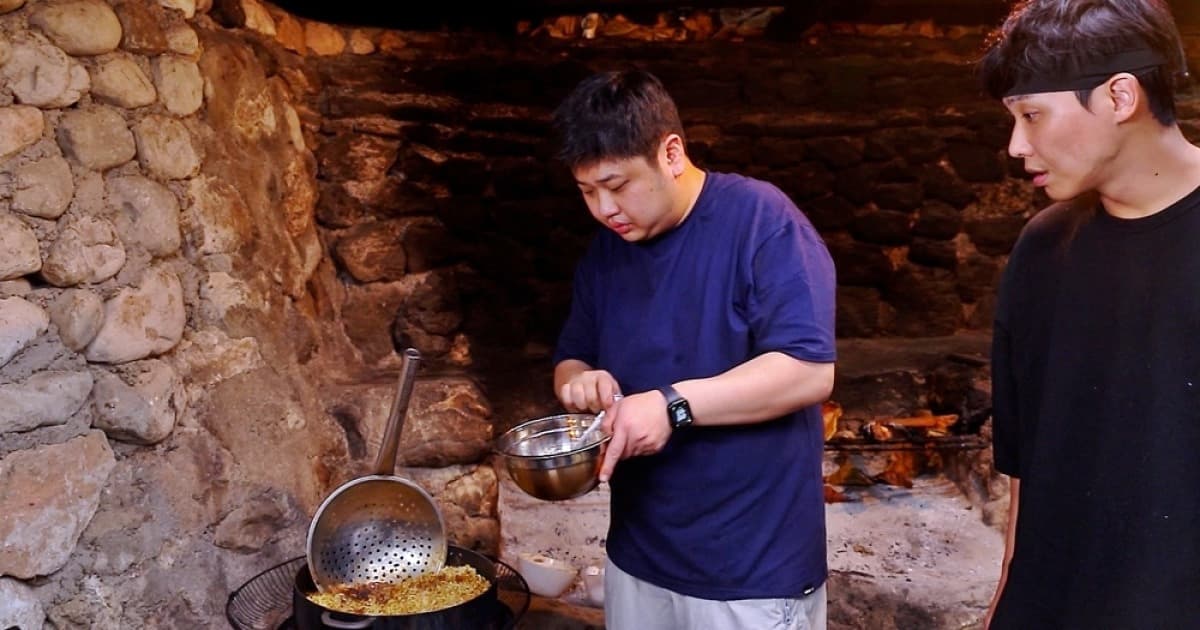
Ever noticed how K-Food is popping up everywhere? Thanks to the active sharing of diverse Korean food recipes online, the culture of cooking and enjoying Korean dishes at home is rapidly spreading. From simple snacks to elaborate main courses, K-Food is now crossing borders and gracing dining tables around the world.
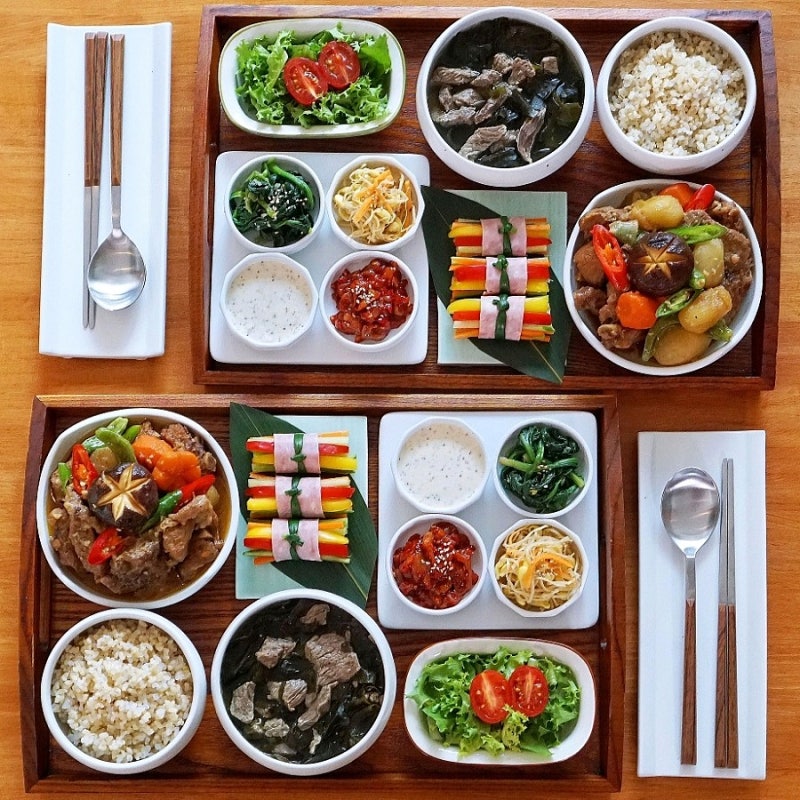
These recipes, widely shared across social media and blogs, are designed to be easy to follow without complex steps, making them highly accessible for even beginner cooks. This trend helps K-Food move beyond being just a restaurant option to becoming an everyday home meal, solidifying its position as a global cultural content powerhouse.
The Spread of Diverse K-Food Recipes
Specific Korean food recipes are actively shared in online communities, including various Facebook groups. On October 15, 2026, a Korean food sharing group introduced a recipe for quick and easy Korean Chili Garlic Potato Balls. The highlight is how simple it is to make these crispy potato snacks at home.
Additionally, on October 14, 2026, a different group shared a Korean Tofu Stew Recipe (Sundubu Jjigae Style). This spicy tofu stew, featuring soft tofu, mushrooms, and onions, can be cooked in approximately 20–25 minutes and provides a hearty meal when served with rice.
On the same day, another post introduced the recipe for 'Japchae' (잡채), a quintessential Korean party dish. This dish, combining beef, chewy glass noodles, colorful vegetables, and a savory sesame oil soy sauce, garnered significant attention.
Recently, a Korean cooking sharing group shared a recipe for Bibim Guksu (비빔국수), known for its spicy, sweet, and refreshing taste. Its main advantage is how quickly it can be prepared, often in just a few minutes.
Beyond these, various side dish recipes, such as 'Bokkeum Gochujang' (볶음고추장, stir-fried gochujang) which can be made at home, are also being introduced through Naver blogs (recipe).
Home Cooking's Popularity Beyond Dining Out
The spread of online recipes is also influencing dining trends. According to Google Trends on October 15, 2026, 'Sangbong Station Matjip' (상봉역 맛집, a popular restaurant near Sangbong Station, a subway station in Seoul) saw a 40% increase week-over-week among 'matjip' (맛집, popular restaurant) related searches, appearing as a trending search term. While this indicates a continued high demand for dining out in specific areas, it simultaneously suggests a growing interest in cooking at home. The delicious taste and convenience of enjoying Korean food at home are emerging as both an alternative to dining out and a new source of enjoyment.
'상봉역 맛집' 검색량 증가 (전주 대비) +40%
Key Drivers of K-Food's Global Spread
Online recipe sharing plays a pivotal role in the global expansion of Korean cuisine. In the past, experiencing Korean food primarily involved visiting Korea or dining at Korean restaurants. Now, thanks to the internet, anyone, anywhere in the world, can try their hand at making Korean dishes. This significantly enhances accessibility to K-Food, breaking down cultural barriers and further expanding its global fandom.
The widespread influence of social media allows the visually appealing aesthetics and cooking processes of K-Food to be shared with people worldwide in real-time, stimulating a desire to cook these dishes themselves. Simple ingredients and easy cooking methods serve as attractive elements, making K-Food approachable for foreigners who are new to Korean cuisine.
The trend of sharing Korean food recipes online has firmly established itself as a significant movement, deeply imprinting the diverse flavors and culture of K-Food onto dining tables across the globe.