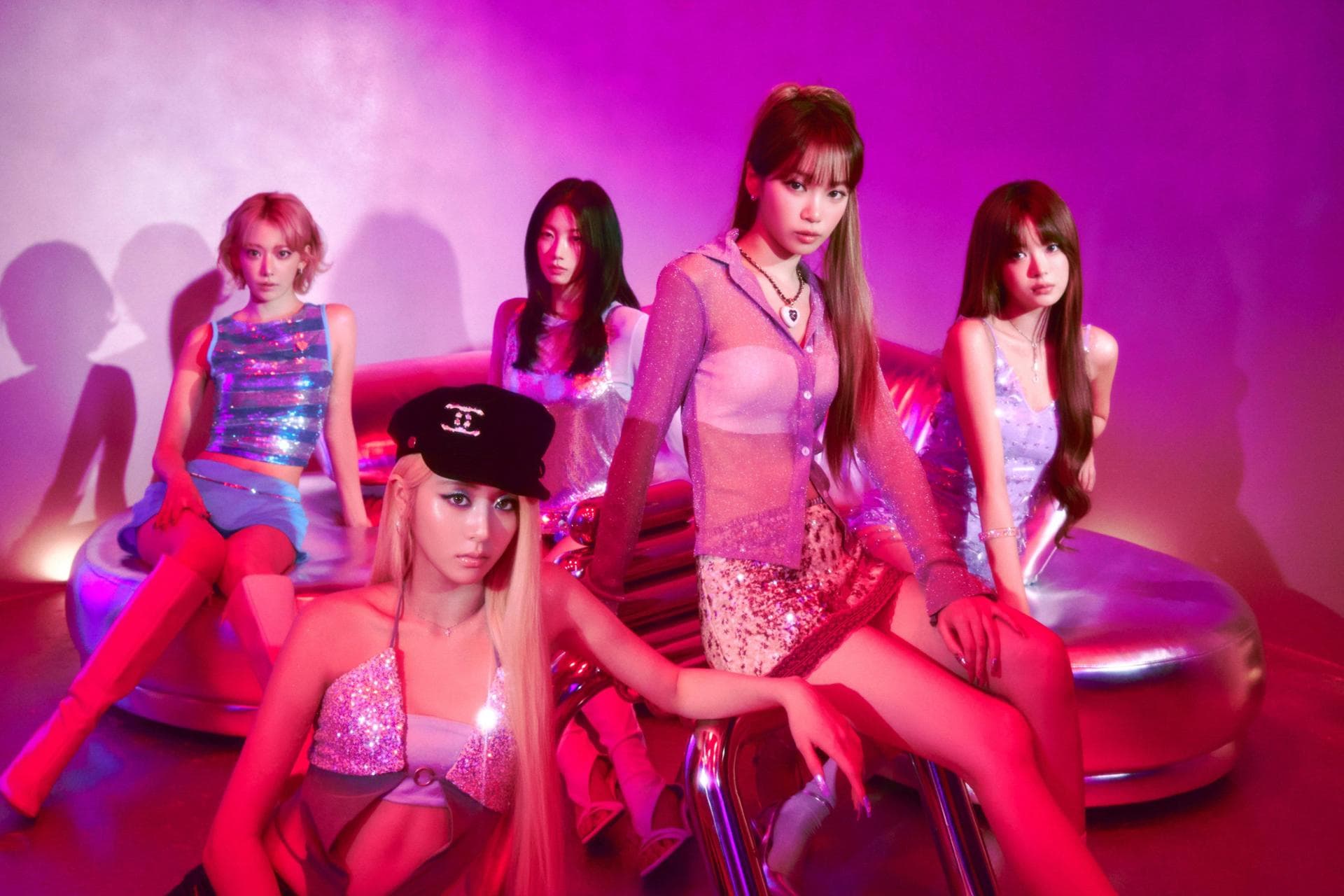
The K-pop industry's intense focus on appearance is under fire following reports that the 'bone-thin' body ideal imposed on idols is leading to trauma and severe health issues.

On September 21, 2026, The Korea Times published an in-depth report detailing the mental distress and physical harm K-pop idols experience due to extreme dieting and appearance management. This issue is being highlighted not just as a matter of individual choice, but as a systemic problem across the entire industry. It's sparking crucial discussions, with fans expressing deep concern for idols' health and urging for change within the K-pop industry.
According to the recent Korea Times report, Minami (미나미) of girl group RESCENE (리센느) revealed that the process of managing her appearance was highly traumatic and stressful. Seola (설아) of WJSN (우주소녀) also recalled experiencing severe physical pain during her activities. These accounts heighten concerns that the 'bone-thin' ideal could have similar effects to eating disorders on teenagers and young adults.
https://www.koreatimes.co.kr/entertainment/k-pop/20260921/k-pops-bone-thin-ideal-leaves-idols-traumatized-hospitalized?utm_source=rssEven as concerns about these health issues grow, K-pop groups continue their active schedules. NMIXX is set to release their sixth EP, Strange Muse, on October 19 at 6 PM KST, following their first Grand Prize win, showcasing their musical prowess with all six members participating in lyric writing and composition. ILLIT (아일릿) also connected with fans by unveiling new music content titled 'ILLIT Leading to Spotify Jam' via their official Instagram on September 21, 2026.

NMIXX EP 발매 (번째) 6
NMIXX 작사/작곡 참여 멤버 수 6
Perspectives of Stakeholders
- Idols: Face immense pressure to meet unrealistic beauty standards, leading to mental and physical suffering. They must balance the effort required for successful activities with their health concerns.
- Agencies: Prioritize visual management for idols' successful debut and activities. However, they face criticism when health issues arise, prompting them to reconsider sustainability.
- Fandom: Supports idols' musical achievements while expressing deep concern over declining health and actively demanding a healthier environment for their activities.
- Industry: While some believe the 'bone-thin' ideal contributed to K-pop's global popularity, there's a growing recognition of the need to establish new standards for idol health and welfare in the long term.
The Reality of K-Pop's 'Bone-Thin' Obsession
The K-pop idol industry is characterized by visual elements being considered as important as musical ones. According to The Korea Times report, the 'bone-thin' ideal forces idols into extreme diets, leading to severe health problems, including trauma and even hospitalization. This is emerging as a critical factor that not only causes individual suffering for idols but also hinders the sustainability of the K-pop industry.

Agency Responsibility and Fandom Evolution
Idol health issues also point to the responsibility of their agencies. While agencies aim for success and public attention through visual management, they have an obligation to prioritize the artists' health and well-being. Meanwhile, within fandoms, there's a growing shift from unconditional praise of appearance to prioritizing idols' health and happiness. This reflects a recognition, similar to the cases of K-pop musicians mentioned by BBC Korea, that an artist's value is enhanced not just by external beauty, but by their musical capabilities and healthy activities.
Is Appearance Management Part of an Idol's Job?
Some argue that, given the nature of the idol profession, appearance management is a necessary reality. In the K-pop industry, where the image presented to the public directly translates to marketability, strict appearance management can be a crucial tool for maintaining fandom and attracting new fans. However, this argument faces criticism for potentially overlooking the greater values of idols' health rights and human rights.

[Analysis] A Turning Point for Sustainable K-Pop
The K-pop industry stands at a critical turning point, needing to move beyond appearance-first ideals and towards respecting artists' health and individuality. With idols' suffering now brought to light, as reported by The Korea Times, agencies must establish systems that prioritize artists' long-term health and well-being over short-term visual impact. This will be an essential foundation for sustaining and expanding K-pop's cultural influence.

Moving forward, key areas to watch in the K-pop industry will be changes in agencies' health management systems, evolving fandom demands, and the role of the media. The trend of artists gaining more agency, such as NMIXX members directly participating in album production, could act as a positive force in creating a healthier industry ecosystem. We look forward to a future for K-pop where artists' true talent and health, rather than just their appearance, shine even brighter.