Behind the glamorous image of the South Korean entertainment industry, do idols truly earn as much as the public imagines? Former Dal★Shabet (달샤벳) member Park Serri (박세리) and former FIESTAR (피에스타) member Cao Lu (차오루) recently offered a rare glimpse into the financial realities of their idol careers. They admitted that only a select few—perhaps the top 5% to 10%—actually make significant money from their entertainment work. Many idols, they revealed, do not receive income distribution even years after their debut, and even groups widely believed to have purchased homes and accumulated wealth might not be as financially secure as they appear, exposing a lesser-known side of the Korean idol industry.
On May 16, Cao Lu uploaded a new video to her personal YouTube channel titled, “You’d think a group like Dal★Shabet would own their own homes… Please also care about artists’ worries.” In the video, she invited Park Serri, also a former girl group member, to discuss their past lives as idols and debunk common misconceptions about idol income.
When asked if Dal★Shabet received income distribution during their active years, Park Serri revealed that she hadn't received any payments until their third year after debut. As the group's leader, she eventually had to take the members to their company representative and directly demand, “Please distribute our income to us.” She admitted that the company only began making payments sporadically after that encounter.

Cao Lu empathized with Park Serri's experience, disclosing that FIESTAR never received any income distribution until their contract ended. She lamented that as the oldest member of the group at the time, she felt she hadn't done enough. She expressed regret, saying, “I should have also taken the members by the hand and gone to the company back then.”
Park Serri recalled that the entertainment industry environment in Korea was different back then. Unless artists were under a major agency, it was not easy to receive income distribution smoothly.
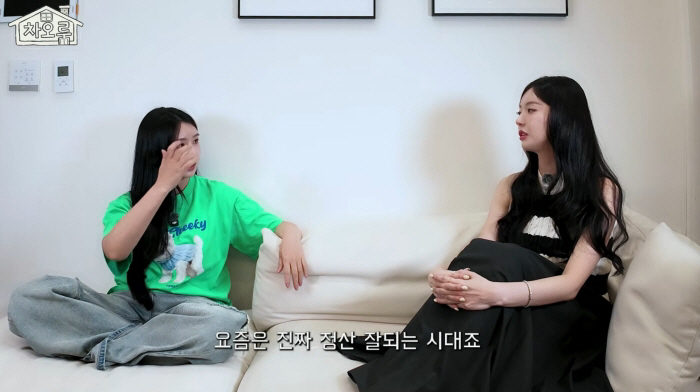
Both women unanimously pointed out a significant gap between public perception and the actual income of idols. Cao Lu stated that the public often assumes "being an idol is very profitable" and "artists don't need others to worry about them." However, she believes that only a small percentage of artists, those in the top 5% to 10% of earners, truly make substantial money.
Park Serri also admitted that for a group like Dal★Shabet, which had a certain level of recognition in Korea, many people assumed they had already bought houses and that each member was wealthy. But she stated bluntly, “Everyone thought we were rich, but if you weren't in the top 10% of earners, everyone's situation was pretty much the same.” Cao Lu added that even those who did make it into the top 10% might not necessarily be able to afford a house, emphasizing that the reality is much tougher than outsiders imagine.
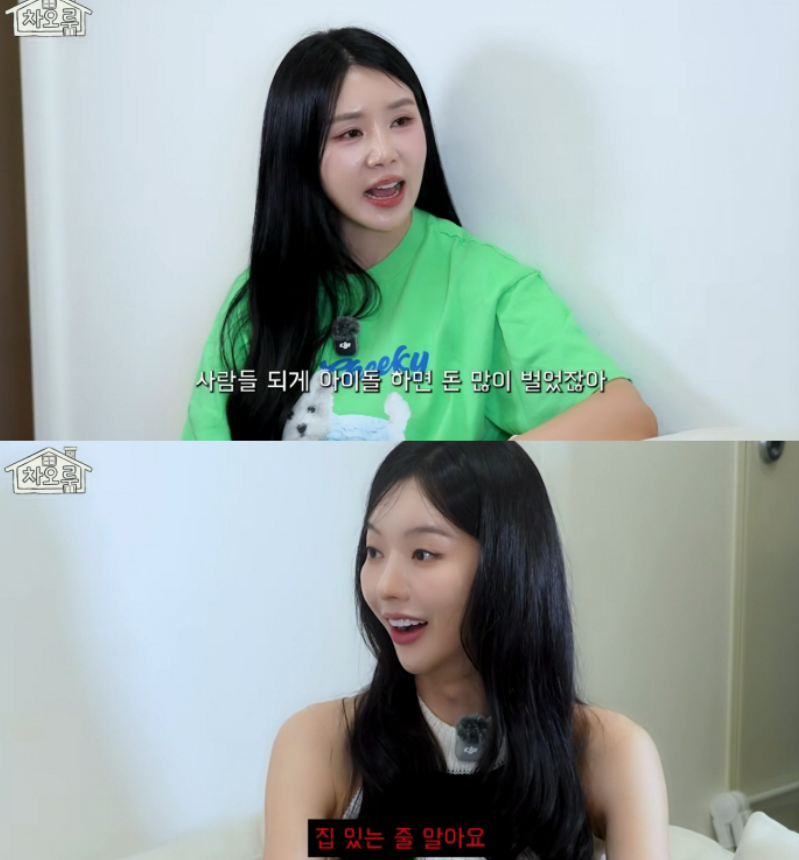
As for how popular an idol needs to be for their income to improve, Park Serri believes that if a song makes it into the top 5 on music charts, their lives might become more comfortable. Otherwise, simply relying on idol activities to make a living is quite challenging.
Beyond income distribution, both also discussed the long-standing issue of trainee costs in the Korean entertainment industry. Some agencies list the training costs incurred during the trainee period as a burden for the artists. Park Serri firmly stated that she believes the costs of the trainee phase should be an investment by the company, not entirely passed on to the artists.
She further explained that after an idol officially debuts, there are still various expenses such as music video production, song creation, dancer fees, and costumes. If even the trainee period costs are also demanded from the artists, it would likely burden them with heavy debt. She emphasized, “I don't think it should be this way.”
Cao Lu acknowledged that outsiders might question why artists shouldn't repay all expenses. However, she shared that if certain payments are not cleared by the end of the contract, there are some situations where they don't need to be repaid. She revealed that she didn't clear all her debts when she left her company, and offered comfort, saying, “If you think about it that way, doesn't it make you feel a little better?”
However, Park Serri also stressed that contract terms vary among agencies and cannot be generalized. She believes that the idol industry's income distribution system has improved compared to the past.
Despite her idol journey not being smooth sailing, Park Serri remains grateful for her time with Dal★Shabet, considering that experience a crucial foundation for her continued activity as a singer today. Their candid sharing allowed the public to see that behind the idol glamor, not everyone enjoys high income and a comfortable life, and establishing a foothold in the fiercely competitive entertainment industry is far more difficult than imagined.