[In-depth Report] Making a documentary only a few years after debut? The real reason why the industry is rushing to produce idol documentaries on OTT.
Whether it's dramas or films, everyone has their own different preferences. However, to invoke the resonance and attention of the majority, besides being entertaining, it's equally important to possess mass appeal.
However, when it comes to the entertainment industry, the speed of Kpop's global spread is quite fast, not only sweeping across Asia, but also gradually expanding to the European and American markets. However, compared to the global music market, it still cannot be called popular or mainstream.

In other words, Kpop relies more on a solid fan base than casual listeners to maintain a large volume of listens in a short period of time.
Given the certain limitations of Kpop and idol-themed content, why have OTT platforms continued to produce idol-themed documentaries over the past two or three years? And besides fans, do people actually watch these documentaries?

Unlike typical TV and film productions that have clear scripts and character settings, documentaries express events and experiences from a narrative perspective. Therefore, they mostly attract an audience interested in the event, field, or specific subject matter.

Even though the audience for documentaries is quite limited, it's not hard to notice that many OTT platforms have been rushing to produce idol documentaries in recent years.
According to the report by Korean media 'Spotvnews', the continuous production of idol documentaries is not only to showcase the glamorous side of idols on stage, but also to reveal the reality behind the scenes.

A producer from a certain planning company in the industry said, "From the standpoint of a content creator or from the public's perspective, idol group members are very interesting characters."
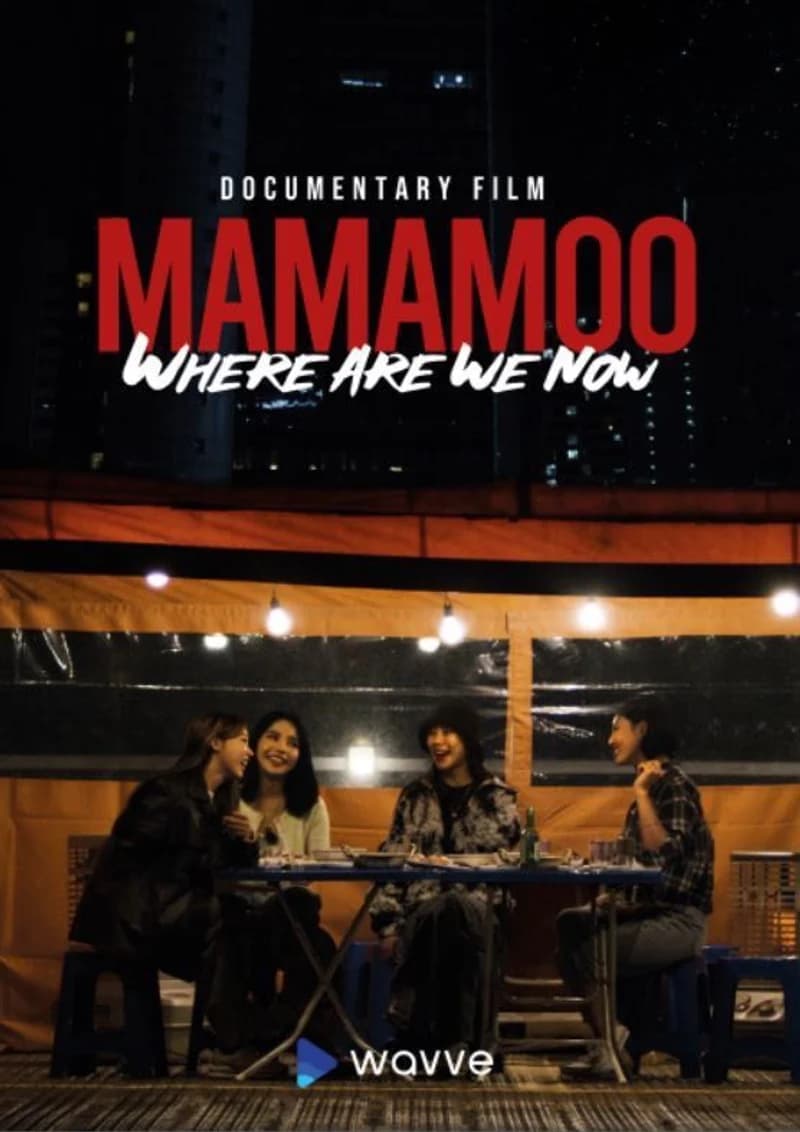
To elaborate further, "As an artist, one needs to present a world view or performance that aligns with a specific group's direction set by the company. However, they also need to demonstrate perfection and casual charm on stage, indirectly showcasing the dual burdens that idols carry, unable to fully express themselves".
How to select shooting groups and talents? Industry insiders revealed that due to the competition of more diverse content, from the perspective of the industry, the number of groups that have recently received strong attention has increased. Under the circumstance where the public's preferences are increasingly subdivided, even if only focusing on one team or one member, it can fully arouse meaningful attention.

However, it's not to say that only top idols are eligible for documentary films. As mentioned earlier, due to the certain limitations of the documentary audience, if groups with more topicality or popularity start first, it would be easier to attract the audience.

In 2020, Netflix produced "BLACKPINK: Light Up the Sky" with the girl group Blackpink, and Disney+ actively planned documentaries centered around Korean idols.
Like the BTS documentary 'BTS Monuments: Beyond the Star', and the individual documentary of member J-Hope, 'j-hope IN THE BOX'.

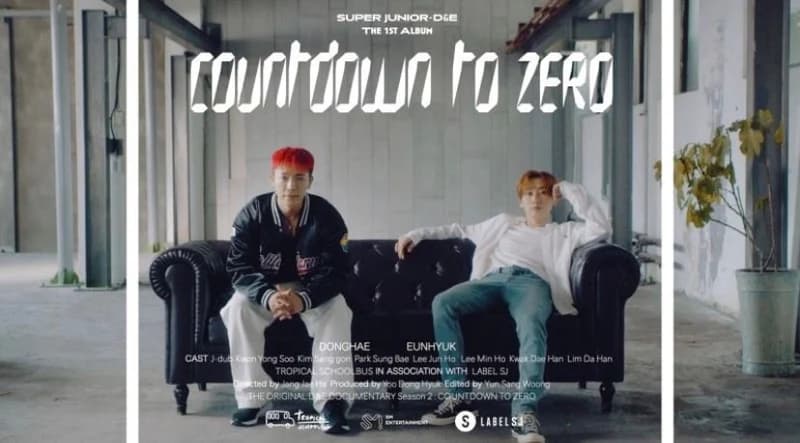
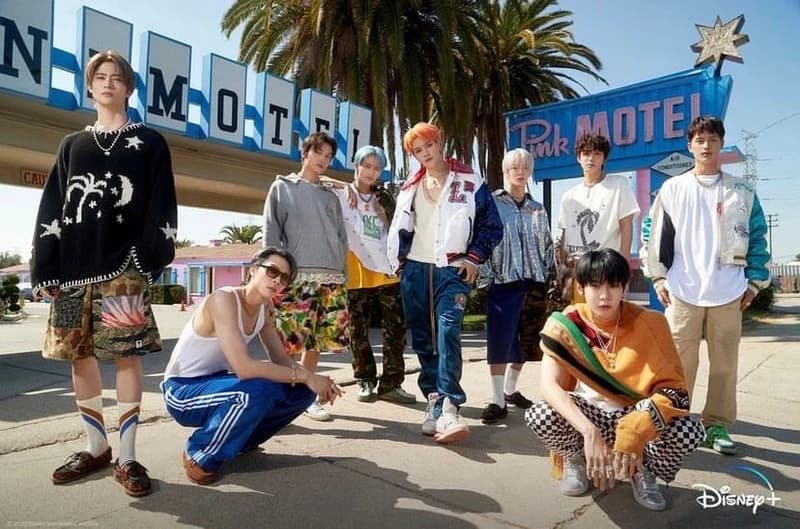
In addition, there are the behind-the-scenes stories of Super Junior, who have been in the industry for 18 years, in "Super Junior: The Last Man Standing". The younger group, NCT 127, has produced "NCT 127: The Lost Boys" based on their world tour process. Also, "TOMORROW X TOGETHER: OUR LOST SUMMER" is set to be released this month.

In fact, promoting or marketing idol artists through documentaries is an alternative way to reach new audiences. Although most of the content in the film is likely to resonate with fans, it is also through a narrative mode that allows idol artists to show a different side than what the public usually sees, compared to on stage or in a dynamic mode.
Admin
Cheer the stars of this story
Log in to start collecting cheers on this article:
- Read +5
- Early reader +5 · 20 spots left
- Comment +10
- First comment +20
comments (0)
Related Posts
K-Pop[In-depth Report] Top A-artists is too expensive to hire! Costing 1 billion Korean won per episode! The industry points out 4 works that have greatly succeeded with a counter strategy.
Following on from the previous article discussing the impact of Korean dramas after they landed on Netflix, and the constantly increasing production costs, many production companies are facing threats from domestic OTT platforms. This is also drawing significant attention to the future direction of Korean dramas. As previously mentioned, the entry of international OTT platforms has brought about changes in the South Korean drama market. Indeed, the arrival of these well-funded platforms has elevated the overall quality of the industry's productions. From writers, directors, performers, amd casts to the entire production team, they have all grasped the most important elements during filming. However, without enough preparation, more TV dramas failed to level up. According to a report by "Herald Economy", the rising production costs are undoubtedly related to personnel costs; thus, under the circumstance of rising labor costs, it has become more difficult for production companies with weaker capital. In the past 1 to 3 years, among the TV dramas that have been pre-produced, there hasn't been a channel or platform found to broadcast them, and over 20 such dramas are just accumulating in the warehouse. Therefore, if a drama is already produced but cannot be aired or listed on a platform or television station, it will also have an impact on the production company. In addition, when discussing personnel expenses, it's difficult not to touch on the impact of actor fees and the cost of shooting individual episodes. If the production cost of each episode exceeds 700 million to 800 million Korean won, then most TV stations or production companies may face the loss due to excessively high production costs. But it's a harsh reality that, in terms of so-called A-list actors online, the number of actors who earn more than 300 million Korean Won per episode is not small. Therefore, if we are looking for top-tier casts for domestic and overseas viewers, the maximum pay per episode could reach 1 billion Korean Won, which could be said to take up a high proportion of the production budget. Under such conditions, platforms and production teams that can bear the burden, such as international platforms Netflix, Disney+, Apple TV and others, are more capable of handling such works compared to local Korean teams. This is also one of the reasons why many works eventually lean towards international platforms. But interestingly, an actor's salary may be somewhat influenced by their stardom and popularity, but it's not a hundred percent assurance of the success of a drama. The problem is, with the fees of other actors on the rise, it's hard to secure actors at the ideal price. Therefore, as the overall production costs increase, the opportunities to invite top-paid actors to appear in dramas of the three major TV stations and terrestrial TV stations will gradually decrease. In addition, as the viewing habits of the current audience gradually change, they use OTT watching more often than TV. Therefore, compared to being broadcast on TV, the influence and popularity of OTT can be said to be getting higher and higher. Nowadays, many actors hope to become world-class actors through international platforms like Netflix. After all, just starring in one drama can attract millions of followers and fame internationally, providing more exposure opportunities. This has also made Netflix a powerful platform for launching globally popular works. In other words, in the current industry, Netflix not only holds an advantage, but even tends to monopolize the market. At present, there are no OTT platforms that can compete with Netflix. This also worries the public, as there might be a situation in the future where only Netflix can determine the prices. But on the contrary, there are many who win with excellent content to attract the public's attention and even receive good feedback, rather than embracing the international platform from the start. There are also many such cases. For example, Korea's SLL (formerly known as JTBC Production) has established a good reputation with many original quality works. For example, in the four TV dramas launched in the first half of this year alone, they not only used new writers successfully popular, but also works written by debut writers like "The Interest of Love", "Agency", "Doctor Cha", "The Good Bad Mother" etc. are all mini-drama debuts." According to a report by Korean media, SLL's chief producer once stated, "If we used to prioritize the quality of the work, now we should also consider its mass appeal, especially in the highly competitive weekend dramas. The chief producer believes that 'Doctor Cha' which achieved the highest viewership in the first half of this year perhaps has a strong and popular color of weekend serial drama. However, weekend dramas are not low-quality works but exhibit family dramas in our own way. By adding mass appeal to the existing content, it can gain widespread favor.'" It's not hard to see that rather than flocking to international platforms in order to gain substantial resources, if one can produce works that are both rich in content and substantial, even mini-series with not so high capital can also produce works that cater to public taste and gain popularity, slowly addressing the problems currently faced by the industry.
K-Pop[In-depth Report] Relying on Netflix to make money? The cruel reality unveiled in the Korean drama industry: it will eventually be strangled!
News broke last month that the Korean Original creation team of Disney + is suspected of disbanding, with not only the members of the team leaving Disney +, but also rumors that it is related to Disney's global layoffs. According to a report by the Korean media outlet Chosum, industry insiders have revealed that 15 members of the Korean original content development team at the international OTT platform, Disney+, have left the company, but the original content they produced is currently being retained. There has been no official statement regarding the disbandment of the South Korean Disney+ original content development team. However, external analysis suggests that the reason for the team's dissolution is due to its failure to achieve significant growth within South Korea. In fact, Disney+ began its services in South Korea on November 12, 2021. However, as of May this year, the number of active users of Disney+ in Korea is approximately 1.79 million, which is less than the same period's membership numbers of local OTT platforms such as tving (5.15 million), Coupang Play (4.31 million), and Wavve (3.92 million). However, if we look at Netflix, which is also an international OTT platform, it not only continues to lead the development of original content in Korea, but has even released many acclaimed and popular works. But recently, Korean media has conducted an in-depth analysis that the current development of Korean drama is facing a pressing crisis. According to a report by Korean media "Herald Economy," although K-Content (cultural content) has been very active internationally in recent years, Korean dramas, which are considered a major influence, are facing significant crises. The report points out current issues such as the escalating production costs of Korean dramas, over-reliance on Netflix, threats to domestic OTT platforms, and overall reduction in Korean drama production. Reports indicate that due to the recent linear rise in television production costs, from about 700 million Korean won per episode a few years ago to 1 billion or even 1.5 billion won per episode, not every production company can afford such large numbers under this kind of competition. Even after investing a significant amount of funds, no matter how successful the drama might be or how well-known the work becomes, it is still impossible to recoup the production costs. Thus, if one truly wants to gain abundant resources and break into Netflix, it seems that one will still have to line up and wait for now. There aren't many platforms that can bear such huge production costs, which has caused an imbalance in the entire industry. Although there are now many local OTTs rising in South Korea, the majority of the situation still relies on a single model, which is quite dangerous for the industry. A representative from a certain TV production company said, "The trend of Korean dramas constantly entering the global OTT platform, Netflix, is inevitable, and it is only a matter of time before this kills the circulation and diversity of the market and platform." Due to the issues that arose from the initial production costs, it was possible to produce TV dramas in the past without investing a high amount of production cost. However, it is feared that we have now reached the limit, creating a market cycle of "over-betting large amounts of money to gain substantial returns". For instance, the annual production of dramas used to be around 100-150, but due to a surge in production costs, it has reduced by at least half, leaving only about 70. According to statistics by the Korean media《Herald Economy》, even the 'mini-series' produced by the three major TV stations have deficits of several hundreds of millions or even billions. This phenomenon is also happening on broadcast television, such as the recent production of many popular shows by JTBC and tvN, two cable TV stations. Even if all advertisements are sold out during the drama broadcast time, they still face deficit. Therefore, many TV stations have started to fill in the gaps left by the dramas they could not recover by adding variety shows. As even large-scale variety shows do not cost as much to produce as dramas, channels like tvN have begun producing a range of variety shows, primarily those that can be exported overseas. Even though the industry behind Korean dramas may seem far removed from the audience, it's hard to imagine the many connections behind each successful work, from 8-episode mini series to regular 16-episode dramas, each having different impacts. (To be continued)
K-Biz【深度报道】害怕得罪又不能放弃中国市场?男女团「中输」竟有如此差距!
最近,由HYBE打造并在电视台JTBC播出的新选秀节目《R U NEXT?》,因参赛的22名选手中没有任何一位中国籍成员而引起关注。此外,先前BTS的成员SUGA在直播中提到当前韩国艺人无法在中国活动的实情,使得"中国"与KPOP的关系再度引发一阵讨论。 尽管许多人在政治上对中国有着不同的看法,但无法否认的是,无论是哪个国家,都无法轻易舍弃及忽视中国庞大的市场效应。 就像SM当初推出Super Junior时,加入了韩语乐坛中的第一位中国籍成员韩庚,到为了进入中国市场而挑选更多中国成员加入的EXO,以至于许多经纪公司也纷纷开始推出中国小分队等手法,KPOP早已对广大的中国市场抱持着相当大的野心。 但是无论如何也没想到,一切却因2016年的萨德反导弹系统事件,让中韩之间的关系越发紧张,中国更是直接开启了对韩国的各种限制,并将范围扩大至演艺圈等艺人活动,因此韩国艺人想要在中国发展可以说是难上加难。 尽管失去了庞大的中国市场,但很多经纪公司仍未放弃中国商机。除了选择加入中国籍成员到团体中,间接刺激所谓的“中输”销量,他们还一直在使用“微博”、“抖音”等社交软件与中国粉丝互动。 由于中输的影响力不仅体现在专辑销量上,也带动了其余的周边等代言商品的销售。但说穿了,想要赚中国的钱也并非想象中的容易,由于中国市场一直是K-POP产业的敏感争论点之一,因此时常可能会一些政治或是国际赛事等议题引发争议,也让艺人陷入被中韩网友攻击的目标。 尽管目前KPOP试图减少对中国市场的依赖,转向欧美等国际路线,并持续加强艺人在日本的发展,但从每次的专辑商品等销售数字来看,中国仍然是一个无法忽视的存在,而这样的情况从现今的男女团来看,情形又有些许的不同。 由于"中输"是个少则10-20万张,多则70-80万张的存在,也许对前几年只有几十万张的专辑销量来说,影响力还没那么大,但如今逐渐迈入百万专辑销量的时代,"中输"的多寡,也掌握着多半团体的销量成绩。 根据韩国媒体《Media us》的报道,无论是在国内还是海外,由于女团的核心粉丝群体并没有男团的多,因此在成本上,女团的依赖程度和占比相较男团来的高一些。 当时BTS以专辑《MAP OF THE SOUL:7》创下337万张的销售记录来看,中输占比就占了约77万张左右,乍看之下好像「中输」程度颇高,但以女团aespa在首周创下142万张的销售记录中,中输约为80万张;女团IVE在专辑《After Like》首周创下90万张的销售记录,经过三次的总加后,最终中输含量高达65万张等数字来看,比起男团,女团依旧是相较依赖于中输的。 或许有些人会说,相比中国,欧美和日本市场也不可小觑,但这种说法并不适用于新人或是人气中等的团体。换句话说,要在相对闭关锁国的日本市场站稳脚跟,并非易事。据韩媒调查显示,以BTS和SEVENTEEN在日本的人气,直接进口销售量是20万到40万张左右,而以女团TWICE的个人专辑销量也停留在10万张左右。 尤其在新人团体中,差距更为明显,比如女团aespa在日本的销量最高约为8万张,但与其在中国的销量高达近80万张相比,简直无法相提并论。 此外,韩国媒体认为,相比以男偶像为主的市场,中国女团的粉丝基数正在积极成长,甚至足以支撑团体大部分的总销量并与男团抗衡。由于与日本偏爱可爱青春又清纯的女偶像类型相比,中国偏爱的概念则是强烈的Girl Crush风格。有评论家认为,由于中国当地的女性社经地位逐渐提高,因此以女性为主流消费族群逐渐扩大,特别的是,在娱乐产业中展现的“女性经济”更为明显。 以HYBE为例,虽然早有不选拔中国练习生等传言,部分公司的粉丝们经常会以HYBE不受中国市场的限制而感到自豪,但从HYBE旗下的女团来看,唱片的销售仍然需要中国市场。像是新人女团NewJeans在出道的几次回归中,保守估计,中国市场的销售量最高仍然占了30万张以上,占了初期销售量的一半左右。甚至比中国市场销售份额较弱的LE SSERAFIM也至少有20万张的销售量,占初期销售的30%以上。 尽管这并不是说,女团就绝对的依赖于中国输,而是在男女团无论是在市场还是粉丝的组成结构上本就不太相同且持续在变动当中,就有如早期常说的,女团卖的是音源,男团卖的是专辑,但如今男团的音源成绩也明显有了起色,女团专辑要卖破百万也非难事,都能感受到KPOP市场的转变,也让经纪公司在市场策略上有了更多需要改变及调整的挑战,因为无论是否依赖于中国,“过度依赖”于单一市场都会是艺人在未来发展上的潜在风险。
Trending now
- 1
Girls' Generation's Yuri Responds to Haters with Humorous Meme
- 2
Girls' Generation's Kim Hyo-yeon Reveals Why She's Lived in Group Dorm for 19 Years
- 3
Han So-hee Reflects on Love, Self-Worth After Ryu Jun-yeol Split: "He Didn't Abandon Me"
- 4
Jung Eun-ji Blushes as 'My Little Old Boy' Hosts Fuel Choi Jin-hyuk Dating Rumors
- 5
Actress Park Ha-sun Flaunts Chanel-Clad US Vacation Amidst Controversial Remarks from Go Young-wook