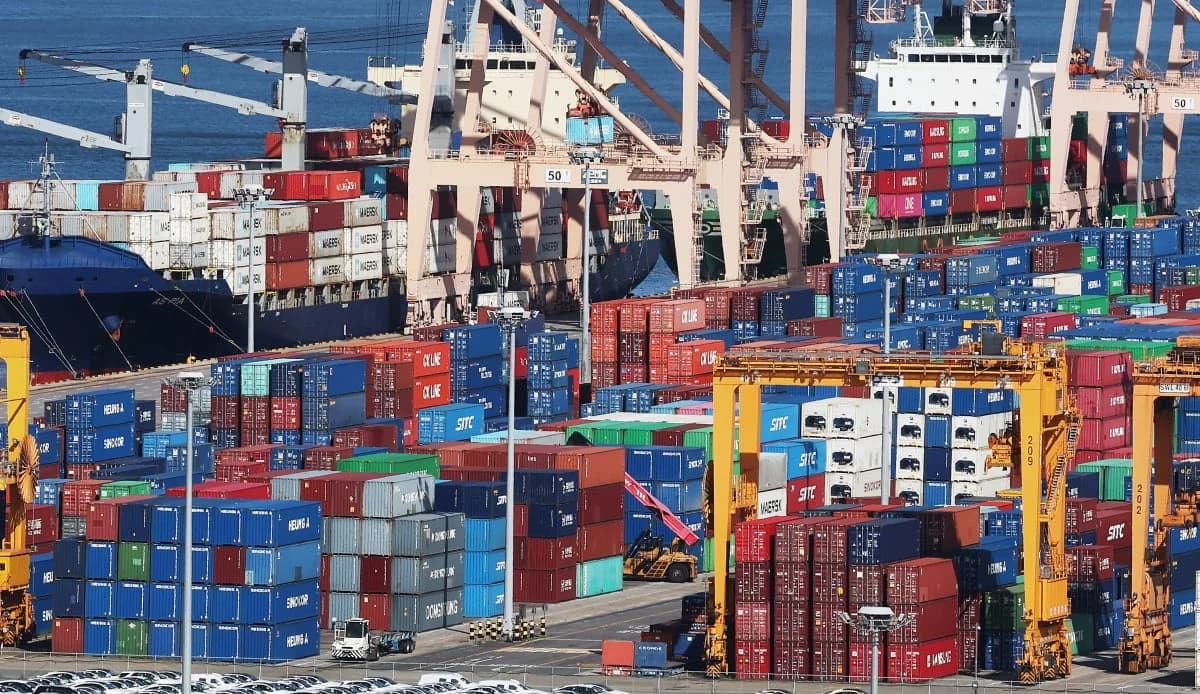
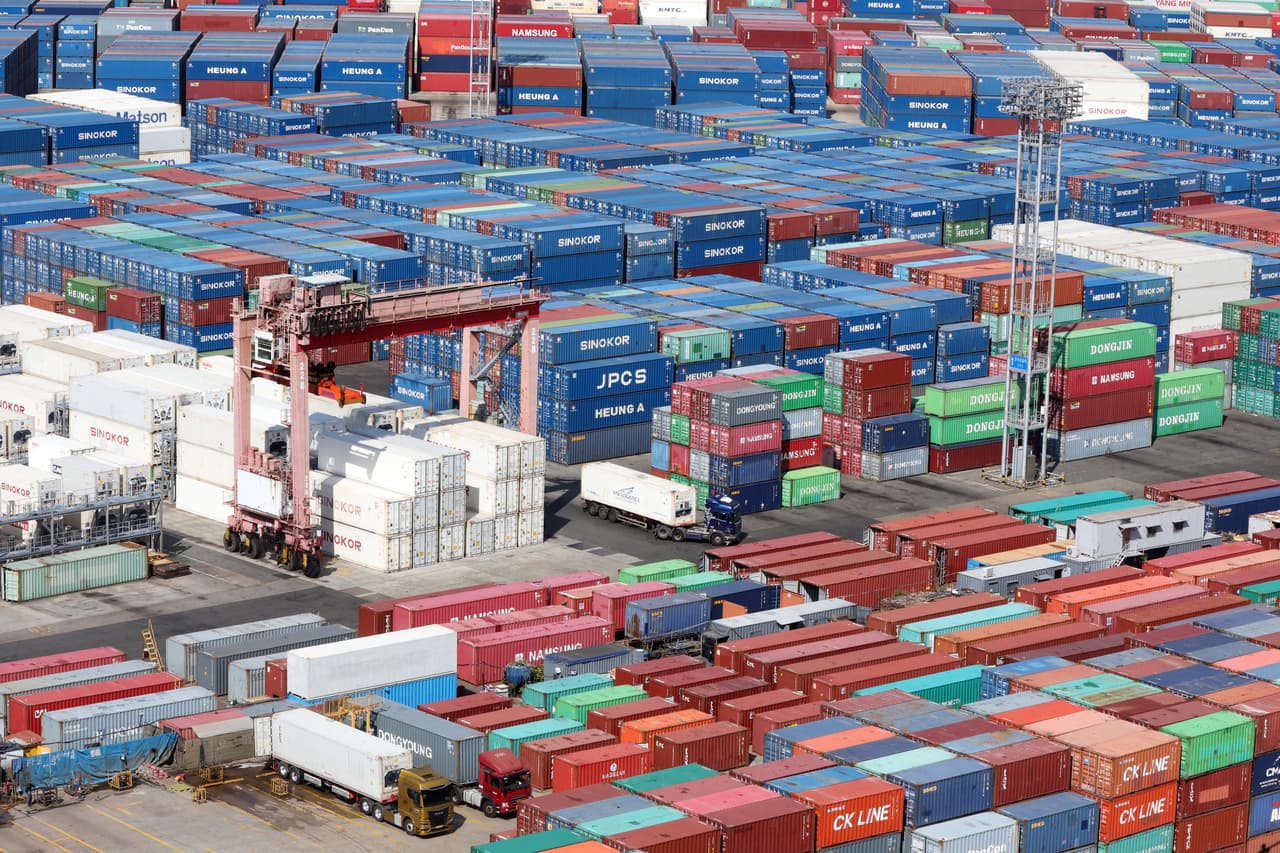
Last September, the U.S. government announced a series of significant economic and industrial policy changes, including hinting at new tariff policies for the semiconductor industry and expressing its intention to support oil field development in Alaska. Concurrently, in the domestic investment market, over ₩1,000 trillion flowed into alternative investments beyond stocks, signaling a noticeable shift in the global economic landscape.
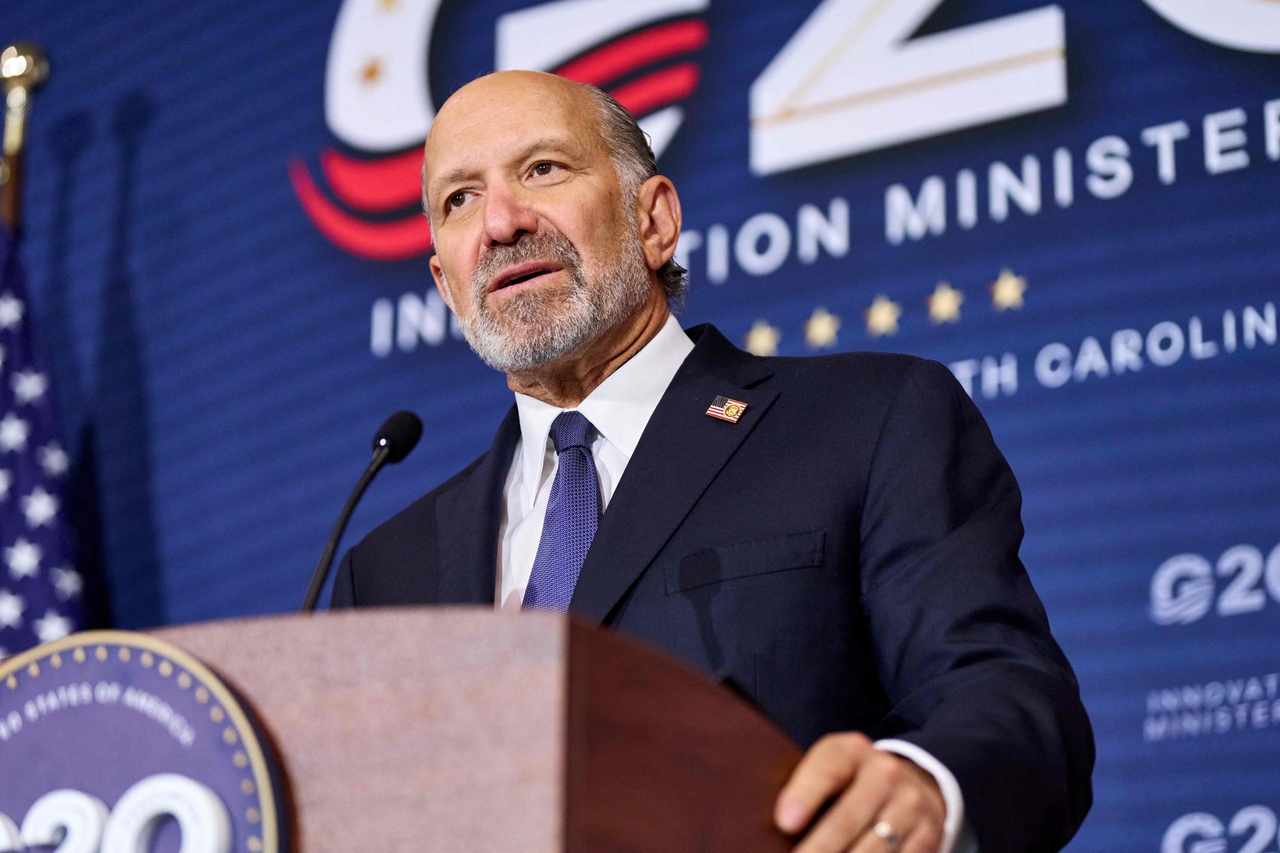
U.S. Strengthens Semiconductor Tariffs and Energy Policy
Howard Lutnick, U.S. Secretary of Commerce, confirmed in a CNBC interview on September 2 (local time) that the administration of former President Donald Trump was pursuing 'targeted and thoughtful' semiconductor tariff policies. Secretary Lutnick emphasized at the time that companies producing goods within the U.S. would not pay tariffs, clearly outlining a policy favoring domestic production.
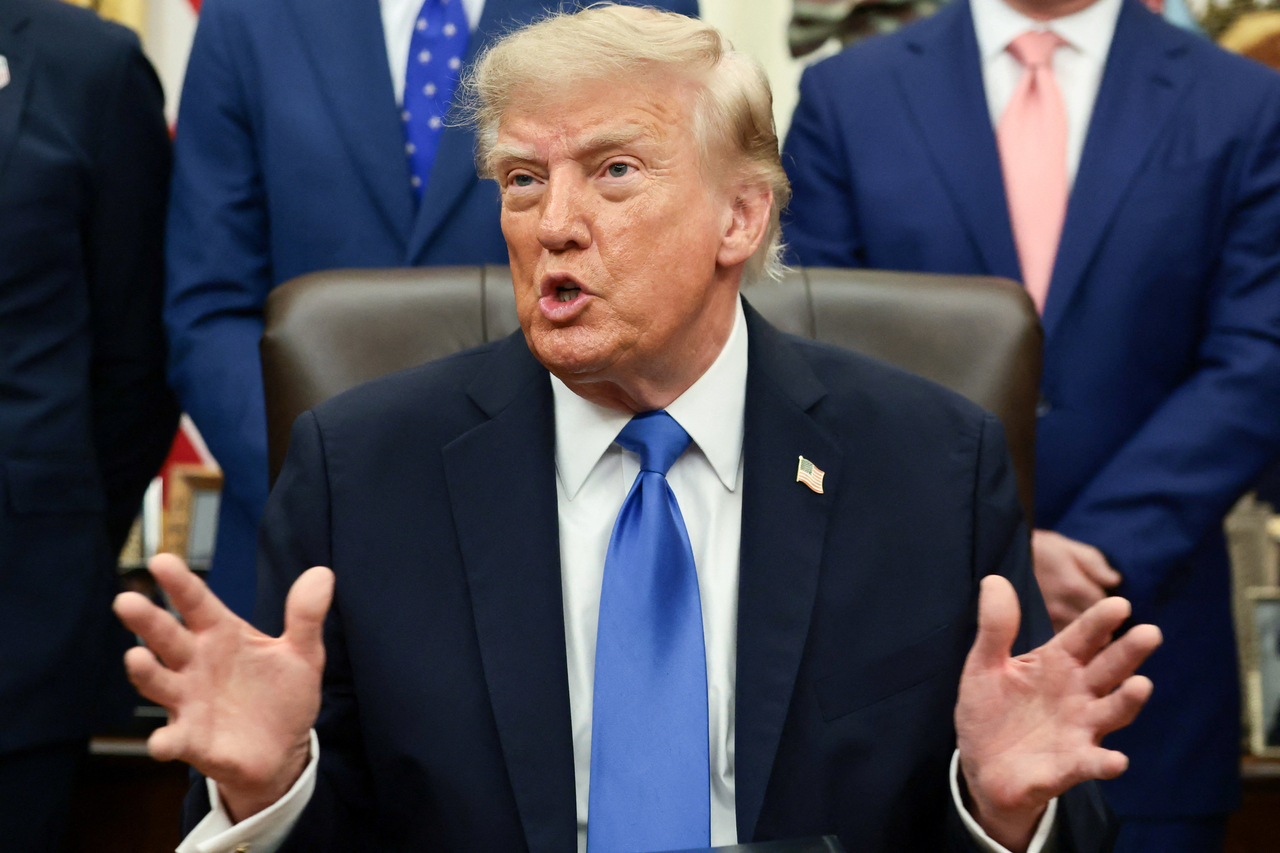
On the same day, former President Donald Trump stated during a White House briefing that several countries, including South Korea and Japan, would go to Alaska to 'load up oil and build pipelines.' This statement was interpreted as an effort to emphasize support for the state of Alaska ahead of the November midterm elections and hinted at the U.S.'s willingness to develop energy resources and engage in international cooperation.
Over ₩1,000 Trillion Shifts to Non-Stock Investments
Non-Stock Investment Funds ₩1,000조 이상
Around the time these policy changes were being discussed, an interesting movement of funds was observed in both domestic and international investment markets. According to a report by Hankyung, over ₩1,000 trillion flowed into alternative investment avenues beyond the stock market. This suggests that investors are anticipating better returns from assets other than stocks and indicates a broader restructuring of investment portfolios. [HANKYUNG]
U.S. Navy Considers Allied Nation Frigate Designs
Meanwhile, the U.S. is seeking cooperation with trusted allies to rebuild its naval and shipbuilding industries. According to a report by US Naval Institute News (USNI News), the U.S. Navy had reviewed designs from South Korea, Japan, and Türkiye for its next-generation frigate construction project. At the time, three industry sources reported that this could even include building up to two vessels at overseas shipyards.
This series of U.S. policy changes is analyzed to have significant impacts beyond domestic issues, affecting the global economy and industries as a whole. Semiconductor tariffs could accelerate the restructuring of global supply chains, and energy policies could have ripple effects on international oil prices and related industries. Furthermore, expanding allied cooperation in the defense industry is interpreted as potentially easing geopolitical tensions while also creating new market opportunities.
The U.S. government's domestic-focused economic stance, coupled with its pursuit of strategic cooperation with allies, could increase uncertainty in global markets while simultaneously offering new opportunities. Governments and businesses worldwide will need to closely monitor these evolving trends and formulate appropriate response strategies.